
3-Day Luxury Golden Triangle Tour: New Delhi, Agra & Jaipur
by Aiza Tours
Choose from 4 available options
How do you want to book?
Book on Viator Confirmed right away, but you pay full price.$500Overview
This 3-day luxury Golden Triangle tour covers New Delhi, Agra, and Jaipur with private transportation in a new, air-conditioned car driven by a professional driver. The tour includes expert licensed guides who speak the preferred language. On the first day in New Delhi, the itinerary visits major sites such as India Gate, Raj Ghat, the Red Fort, Humayun’s Tomb, Qutub Minar, the Lotus Temple, Jama Masjid, Chandni Chowk market with a rickshaw ride, and Khari Baoli spice market. The second day begins early with a sunrise visit to the Taj Mahal in Agra, including a battery-operated bus ride from the parking area to the monument. After breakfast and hotel check-out, the tour continues with a visit to Agra Fort before driving to Jaipur. On the way, there is a stop at Fatehpur Sikri, the abandoned Mughal capital. The third day explores Jaipur’s main attractions: Amber Fort, Jal Mahal (viewed from outside), Gaitore Ki Chhatriyan cenotaphs, City Palace, Jantar Mantar observatory, Hawa Mahal, and Patrika Gate. The tour concludes with a return drive to New Delhi via the Delhi - Jaipur Expressway, with drop-off at a hotel, airport, or designated location. The package includes two nights’ accommodation in selected 3- to 5-star hotels with daily breakfast if the hotel option is chosen. Mineral water is provided in the vehicle throughout the tour. All tolls, fuel, parking, and taxes are included. Airport and hotel pick-up and drop-off services are provided. Entrance fees and gratuities are not included. This private tour offers a comfortable, personalized way to explore the Golden Triangle using new vehicles and professional guides.
Highlights
What's included
What's not included
Itinerary
New Delhi
The tour begins with pickup from your hotel, airport, or any chosen location in Delhi, Noida, or Gurugram. Travel is in a comfortable, air-conditioned vehicle with a uniformed driver.
India Gate
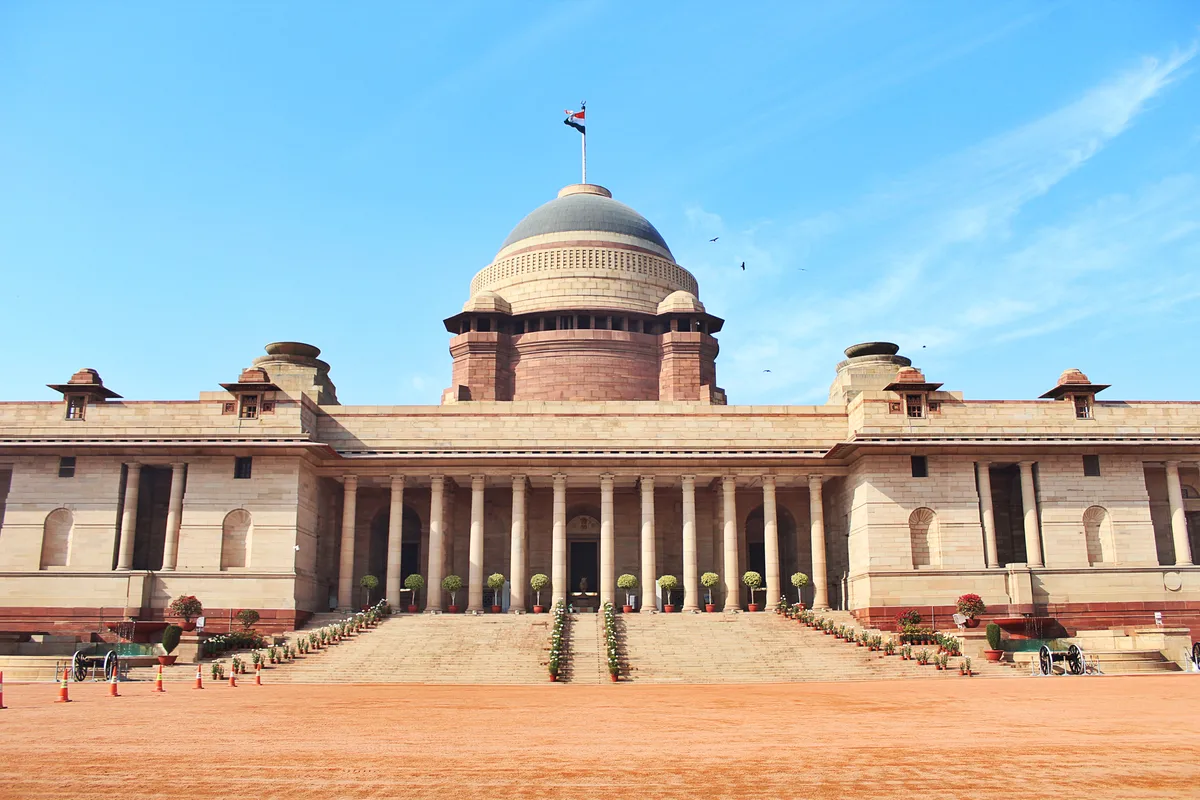
Drive through central Lutyens’ Delhi, passing India Gate, the war memorial, and Rashtrapati Bhavan, the official residence of India’s President.
30 min
Raj Ghat
Visit Raj Ghat, the memorial dedicated to Mahatma Gandhi, set within peaceful gardens.
20 min
Chandni Chowk Market
Explore Chandni Chowk, one of Delhi’s oldest markets dating from the 17th century. This busy market was designed by Jahanara Begum, daughter of Emperor Shah Jahan, and features a mix of historic and commercial areas.
60 min
Khari Baoli
Visit Khari Baoli, Asia’s largest wholesale spice market established in the 17th century. The market offers aromas of spices, dried fruits, nuts, and herbs.
30 min
Jama Masjid
See Jama Masjid, one of India’s largest mosques, built between 1644 and 1656 by Emperor Shah Jahan. The mosque can hold over 25,000 worshippers in its large courtyard and is near Chandni Chowk and Red Fort.
60 min
Humayun's Tomb
Visit Humayun’s Tomb, a UNESCO World Heritage Site built in 1570 by Empress Bega Begum. It is India’s first garden tomb combining Persian and Mughal styles, made of red sandstone and white marble, surrounded by a Persian-style Charbagh garden.
60 min
Qutub Minar
Qutub Minar, the tallest brick minaret in the world at 72.5 meters (237.8 feet), was built in 1193 by Qutb-ud-din Aibak. It has five storeys with balconies supported by decorative brackets and is constructed from red sandstone and marble with intricate carvings and Arabic inscriptions. The minaret is part of the Qutub Complex, which also includes the Iron Pillar, Alai Darwaza, and Quwwat-ul-Islam Mosque.
60 min
Lotus Temple
Visit the Lotus Temple, a Baha’i House of Worship known for its lotus flower shape and tranquil atmosphere. Completed in 1986, it welcomes people of all faiths for meditation and reflection.
30 min
Taj Mahal
On Day 2, the tour starts early with a 6:00 AM pickup for a sunrise visit to the Taj Mahal. The early visit offers fewer crowds and cooler temperatures. A battery-operated bus transfers visitors from the parking lot to the monument.
180 min
Agra Fort
After the Taj Mahal visit and breakfast, visit Agra Fort, a UNESCO World Heritage Site built in 1565 by Emperor Akbar. The red sandstone fort served as the Mughal emperors’ main residence before Delhi became the capital.
60 min
Jaipur
After visiting Agra Fort, travel to Jaipur with a stop at Fatehpur Sikri, the abandoned Mughal capital built in 1571. Fatehpur Sikri displays a combination of Persian, Mughal, and Hindu architectural styles, including palaces, mosques, and courtyards made of red sandstone. Arrival in Jaipur is expected between 7:00 PM and 9:00 PM, followed by hotel check-in.
240 min
Amber fort
Visit Amber Fort, built in 1592 by Raja Man Singh I. The hilltop fort overlooks Maota Lake and includes features like Ganesh Pol gate, Sheesh Mahal (Mirror Palace), Diwan-i-Aam (Hall of Public Audience), Diwan-i-Khas (Hall of Private Audience), and Sukh Niwas, which has a cooling water system.
120 min
Jal Mahal
View Jal Mahal, the Water Palace set in Man Sagar Lake. Built in the 18th century by Maharaja Madho Singh I, the palace served as a royal pleasure palace and hunting lodge. Entry is not allowed.
30 min
Gaitore Ki Chhatriyan
Visit Gaitore Ki Chhatriyan, a site of white marble cenotaphs combining Rajput and Mughal styles. Includes the intricately carved chhatri of Maharaja Sawai Jai Singh II with floral designs, latticework, domed pavilions, and sculpted pillars.
30 min
The City Palace
Tour the City Palace of Jaipur, built in the early 18th century by Maharaja Sawai Jai Singh II. The palace blends Rajput, Mughal, and European architecture, and includes a royal museum with weapons, paintings, and artifacts. The courtyards and gates display Jaipur’s royal heritage.
120 min
Jantar Mantar - Jaipur
Visit Jantar Mantar, Jaipur’s astronomical observatory built in 1734 by Maharaja Sawai Jai Singh II. It is a UNESCO World Heritage Site housing the world’s largest stone sundial and 19 instruments used to measure time and track celestial bodies.
60 min
Hawa Mahal - The Palace of Breeze
See Hawa Mahal, a five-story palace built in 1799 by Maharaja Sawai Pratap Singh. The facade has 953 carved windows (jharokhas) that allowed royal women to watch street scenes without being seen.
Patrika Gate
Visit Patrika Gate at Jawahar Circle Garden entrance. The gate features vibrant hand-painted interiors representing Rajasthan’s royal heritage, culture, and traditions.
20 min
New Delhi
Depart Jaipur around 3:00 PM for the return drive to Delhi via the Delhi–Jaipur Expressway (NH 48), covering approximately 280 km. Guests can be dropped off at hotels, the airport, or other designated locations. Transfers to Jaipur Airport for scheduled flights can also be arranged. Arrival in Delhi is between 8:00 PM and 9:00 PM, concluding the journey.
Languages
Cancellation policy
- Cancel at least 24 hours before start for a full refund.
Additional info
More things to do in New Delhi
- Private Taj Mahal, Agra Fort & Baby Taj Tour from Delhi by Train
- Sunrise Taj Mahal, Agra Fort & Baby Taj Tour from Delhi by Car Fast Entry
- Sanjay Colony Slum Tour in New Delhi with Local Guide
- Taj Mahal at Sunrise and Agra Day Tour from Delhi
- Delhi Private Customized Shopping Tour with Female Consultant
- Sunrise Taj Mahal, Agra Fort and Baby Taj Tour from Delhi by Car