
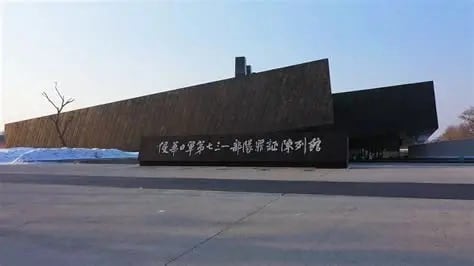


731 Unit Museum 1.5-Hour Small Group Guided Tour
Choose an option
Prices for Sat 14 Nov
- Admission to: Unit 731 Museum Reservation
- Admission to: Unit 731 of the invading Japanese army crime site - 1.5 hour tour
- Chinese-speaking guide
Not included: Transport; Meals and beverages; Other personal expenses
Ticket: Show e-voucher
Overview
[Schedule] There are three time slots available for the tour: Morning 9:00-10:30 Afternoon 14:00-15:30 After placing an order, you can inform customer service of your specific travel time. [Pre-trip Notice] After placing an order, our staff will contact you at 21:00 the night before departure. The day before the trip, we will send the guide's contact information via WeChat/Whatsapp, etc. [Meeting Point] The meeting point is: The main entrance of the Harbin Unit 731 Museum. [Itinerary Introduction] Gather at the main entrance of the Harbin Unit 731 Museum – 1.5-hour explanation of the Unit 731 site (excluding explanations inside the museum) – Disperse at the main entrance of the Harbin Unit 731 Museum. [Introduction to Featured Attractions] The Harbin Unit 731 Site, located in Pingfang District, Harbin City, Heilongjiang Province, is the core evidence site of the Japanese Kwantung Army's Unit 731 for bacteriological warfare research and human experimentation. This unit was established in 1935 and, under the guise of "epidemic prevention and water supply" during World War II, secretly carried out inhumane live human experiments, bacteriological weapon development, and other activities, causing the deaths of at least thousands of innocent Chinese and foreign civilians. The existing site includes more than 20 physical pieces of evidence, such as the main building, special prison, bacteriological laboratory, and incinerator. Beneath the cold concrete ruins lie the historical traumas of victims subjected to frostbite experiments, poison gas tests, bacterial infections, and other cruel experiments. In 1945, when the Japanese army retreated, they blew up major facilities in an attempt to destroy evidence, but through archaeological excavations and historical research, their crimes against humanity have been thoroughly exposed. Today, as a national key cultural relics protection unit and a national patriotic education demonstration base, it is open to the public in the form of a "Crime Evidence Exhibition Hall," warning the world about the cruelty of war through physical objects and archives. It is not only the most complete World War II bacteriological warfare site complex in Asia but also an important symbol for defending historical truth and calling for peace, reminding future generations to remember the dark history and safeguard the bottom line of human civilization.
Highlights
What's included
What's not included
Cancellation policy
- Free cancellation with 48 hours' notice.
Additional info
More things to do in Harbin
- China Snow Town & Erlang River Rafting Day Trip
- platform Private Customized Tour in Northeast China (Harbin/Jilin)
- Harbin & Snow Village & Changbai Mountain & Mohe 10-Day Tour
- Harbin Snow Country Yabuli Hengdaohezi Private 5-Day Tour
- Mohe Meets Snow Town | Northeast Harbin + Mohe + Snow Town 7-Day Tour
- Russian-style town