
Amsterdam 90-Minute Canal Cruise with Bar and Snacks on Board
by Captain Jack Amsterdam
Choose from 4 available options
How do you want to book?
Book on Viator Confirmed right away, but you pay full price.€46Overview
This 90-minute canal cruise in Amsterdam offers a relaxed way to see the city from the water on a luxury electric boat. The boat is either open or closed depending on the weather, with blankets and umbrellas provided if needed. The route passes many well-known locations including the Magere Brug, Amsterdam Canal Ring with its historical 17th-century canals, Rijksmuseum, Jordaan neighborhood, and Prinsengracht canal. Guests also pass the Houseboat Museum, Leidseplein entertainment area, Spiegelkwartier art district, Westerkerk church, and Royal Theatre Carré. The cruise includes local guiding by a born-and-raised Amsterdam resident who shares stories and facts about the sights without lengthy commentary. The boat docks briefly in front of the Rijksmuseum to allow time to view the building and its famous Rembrandt painting, the Night Watch. There is a small bar on board where guests can buy drinks, but alcoholic beverages and snacks are not included in the price. The boat passes other notable places such as the Amstel river, Dutch National Opera & Ballet, South Church, various museums, historic bridges like Blauwbrug and Magere Brug, and several squares and markets including Nieuwmarkt and Waterlooplein. In winter months from October to March, the cruise operates on a closed and heated boat to keep guests comfortable.
Highlights
What's included
What's not included
Itinerary
Magere Brug
Drive-by of a wooden bridge in Amsterdam, known for its romantic appearance.
Amsterdam Canal Ring
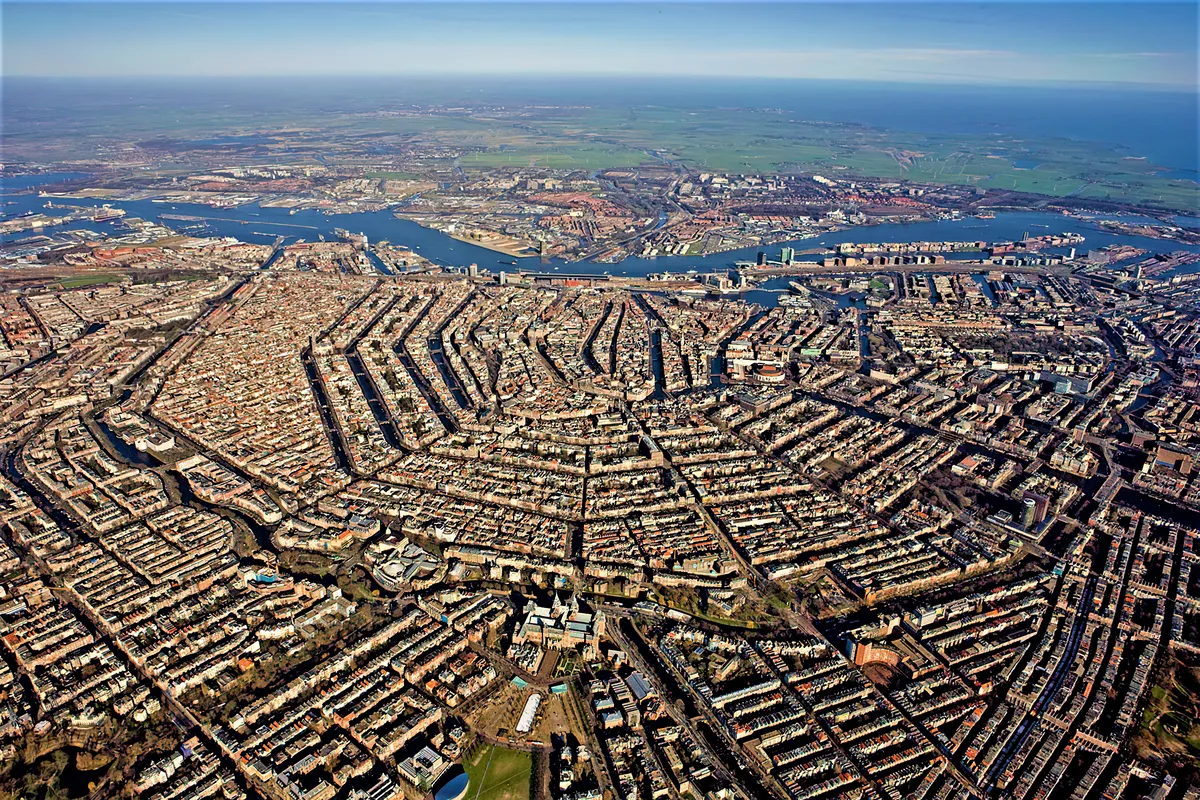
Amsterdam, the Dutch capital, features over one hundred kilometers of canals, around 90 islands, and 1,500 bridges. The three main canals—Herengracht, Prinsengracht, and Keizersgracht—were dug in the 17th century forming concentric belts called the Grachtengordel. Along these canals are 1550 monumental buildings. The 17th-century canal ring, including the Jordaan, was designated a UNESCO World Heritage Site in 2010.
Rijksmuseum
The boat docks directly in front of the Rijksmuseum. Visitors can take time to appreciate the museum building and its exhibitions, including Rembrandt's famous painting, the Night Watch.
The Jordaan
The name Jordaan likely derives from the French word for garden, as many streets and canals here are named after plants. Another theory links the name to the river Jordan. This neighborhood is both the start and end point of the canal tour.
Prinsengracht
One of Amsterdam’s three main canals, named after the three princesses of Holland. Construction began in 1612, initiated by Mayor Frans Hendricksz. Oetgens, designed by Hendrick Jacobsz Staets and Lucas Jansz Sinck. The section between Leidsegracht and Amstel was developed in 1658; the eastern part, called Nieuwe Prinsengracht, was added later. Korte Prinsengracht extends between Brouwersgracht and Westerdok.
Houseboat Museum
The cruise passes the houseboat museum on the Prinsengracht, illustrating how residents live on houseboats. Admission is inexpensive and the site is especially enjoyable for children.
Leiden Square (Leidseplein)
One of Amsterdam’s two main entertainment areas, featuring numerous bars, restaurants, nightclubs, and concert halls. It is a popular location for music and drinks.
Spiegelkwartier
The Spiegelgracht canal connects Prinsengracht with Lijnbaansgracht and leads into Nieuwe Spiegelstraat. It is part of the Spiegelkwartier, known for galleries and antique shops. Art enthusiasts can enjoy paintings, antiques, and other art objects along this route.
De Duif
The current church is named after a 17th-century hidden church called Het Vrededuifje on Kerkstraat. Designed by architect Th. Molkenboer, construction started in April 1857. The building deteriorated in the 20th century but was restored and reopened in 2002, revealing original murals beneath layers of paint.
The Amstel
The Amstel is Amsterdam’s largest canal, originally a river. The city’s name derives from a dam built by fishermen on this river. The Amstel also lends its name to a well-known beer brand.
Westerkerk
The Westerkerk is a Reformed church located in the western part of the Grachtengordel neighborhood, near Jordaan, between Prinsengracht and Keizersgracht.
Koninklijk Theater Carre
Located near the Amstel river, this Neo-Renaissance theatre opened in 1887 originally as a permanent circus building. It now hosts musicals, cabaret, and pop concerts.
H'ART Museum
A branch of the Hermitage Museum of Saint Petersburg, Russia, situated on the Amstel riverbank in a classical building dating from 1681, formerly the Amstelhof.
Blauwbrug
The Blauwbrug, or Blue Bridge, is a historic bridge over the Amstel river connecting Rembrandtplein and Waterlooplein, located south of the Stopera.
Dutch National Opera & Ballet
The Dutch National Opera company is based in Amsterdam at the Stopera building, a modern structure opened in 1986 and designed by Cees Dam and Wilhelm Holzbauer.
South Church
The Zuiderkerk was Amsterdam’s first Protestant church, built near Sint Antoniesbreestraat in the Last neighborhood, now Nieuwmarkt. It is located at Zandstraat 17.
Amsterdam Light Festival
An annual winter festival featuring light installations by international artists that illuminate the city’s streets and waterways.
Nieuwmarkt
One of Amsterdam’s oldest markets, combining the Chinatown and red light district. The Waag building, formerly the city’s western gate and a site of public executions, is now a restaurant.
Amsterdam Cheese Museum
A cheese museum offering more than free tastings, including the history of cheese making, Dutch cheese varieties, the world’s most expensive cheese slicer, and traditional cheese farmer costumes.
Emperor's Canal (Keizersgracht)
The three main canals—Herengracht, Prinsengracht, and Keizersgracht—dug in the 17th century form concentric belts around Amsterdam, known as the Grachtengordel. The canal ring and Jordaan were listed as a UNESCO World Heritage Site in 2010.
Herengracht
The same three main canals, dug in the 17th century, create concentric belts called the Grachtengordel. Alongside them are 1550 monumental buildings. The canal ring and Jordaan are UNESCO World Heritage Sites since 2010.
Singel
The Singel canal once encircled medieval Amsterdam, serving as a moat until 1585. It runs from the IJ bay near Central Station to Muntplein, where it meets the Amstel river, now the innermost canal in the semicircular canal ring.
Statue of Anne Frank
Anne Frank and her family hid in a house on the Prinsengracht for over two years during WWII. She was deported in 1945 to Bergen-Belsen, where she died aged 15. Her diary and legacy attract many visitors.
Magere Brug
Also called the Skinny Bridge, this wooden drawbridge was once so narrow pedestrians could barely pass. It was replaced by a wider bridge in 1871. Known as a love bridge, couples kiss on or under it for lasting love.
Munt Tower (Munttoren)
The Munttoren, or Mint Tower, was part of the Regulierspoort gate built between 1480 and 1487 as part of the city wall. In the 17th century, it was used for minting coins.
+ 29 more places this tour can include
Meeting point
Meet us at the Rijksmuseum. With your back to the museum, find us on the left side of the bridge. Crew wears pink shirts or blue jackets. White boat with Flagship Amsterdam on the side. The Stromma booth on the right is not us. Arrive 5 minutes early.
End point
Meet us at the Rijksmuseum. With your back to the museum, find us on the left side of the bridge. Crew wears pink shirts or blue jackets. White boat with Flagship Amsterdam on the side. The Stromma booth on the right is not us. Arrive 5 minutes early.
Languages
Cancellation policy
- Cancel at least 24 hours before start for a full refund.
Additional info
More things to do in Amsterdam
- Absolutely Amsterdam 2.5-Hour Essential Introductory Walking Tour
- Amsterdam Van Gogh Museum 2-Hour Tour with Audio or Guided Option
- Amsterdam Small Group 2-Hour Bike Tour with Anne Frank House, Jordaan, Rijksmuseum & Skinny Bridge
- Amsterdam 90-Minute Private City Kickstart Tour
- Zaanse Schans Windmills, Cheese Farm, Volendam and Amsterdam Canal Cruise from Amsterdam
- Eating Amsterdam: Jordaan Food Tour with Apple Pie, Cheese, Bitterballen and More