
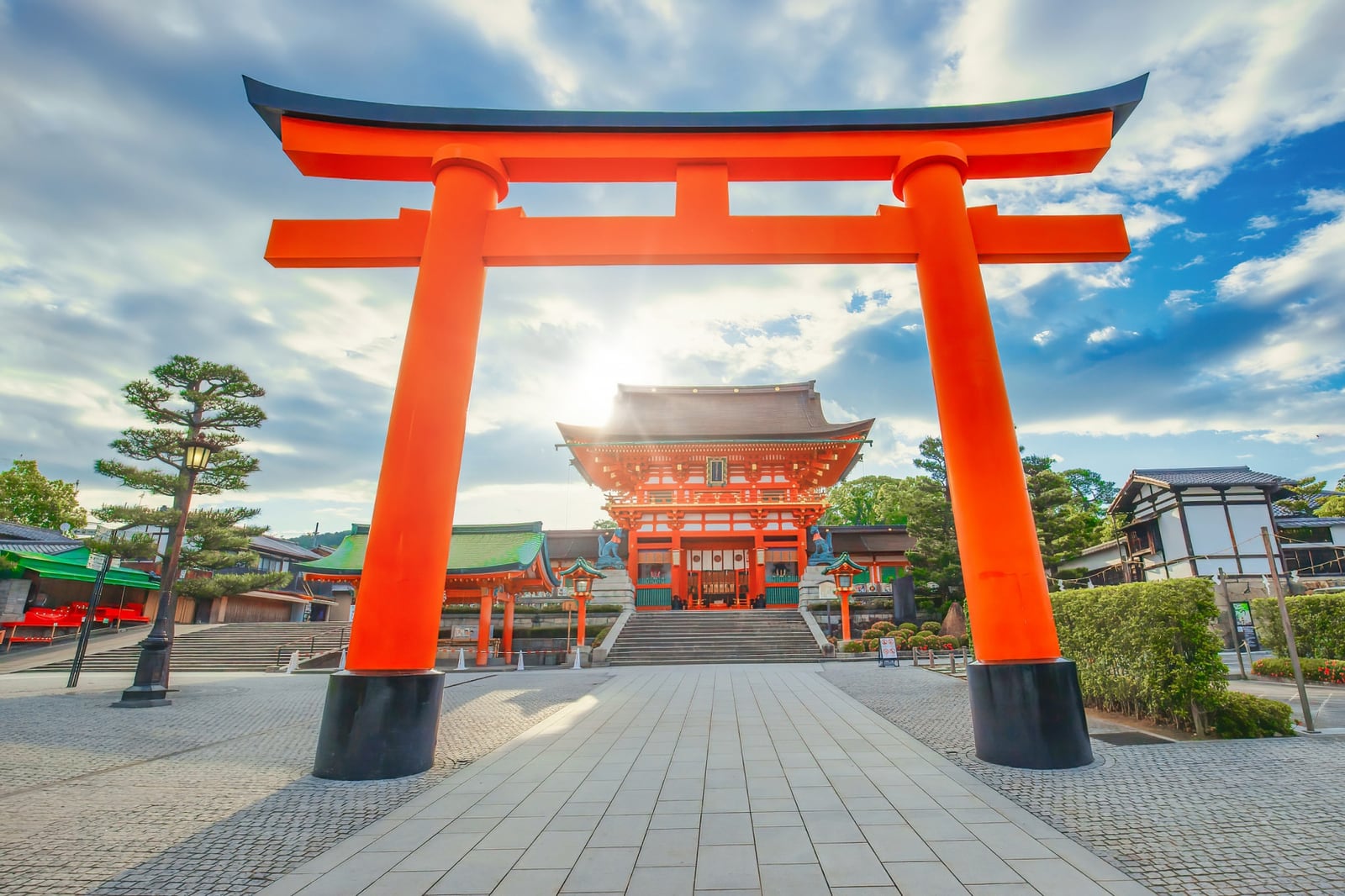
Departing from Osaka: Fushimi Inari Shrine's Senbon Torii, Nara Park, Todai-ji Temple, Tsubosaka-dera Temple's Hidden Gem / Yoshino Mountain Autumn Leaves One-Day Tour
Choose an option
Prices for Sat 14 Nov
- English / Chinese / Japanese / Korean-speaking guide
- Insurance provided by the operator
Not included: Admission to Takami no Sato admission fee (2,000 yen for adults, 1,000 yen for elementary and junior high school students, paid to the guide on-site), Todai-ji Temple Great Buddha admission ticket, Nara Park deer crackers, Tsubosaka-dera Temple admission fee (paid to the guide on-site, 1,000 yen for adults / 300 yen for children (high school students and younger)); Meals and beverages; Other personal expenses; Tips and gratuities
Ticket: Show e-voucher
Overview
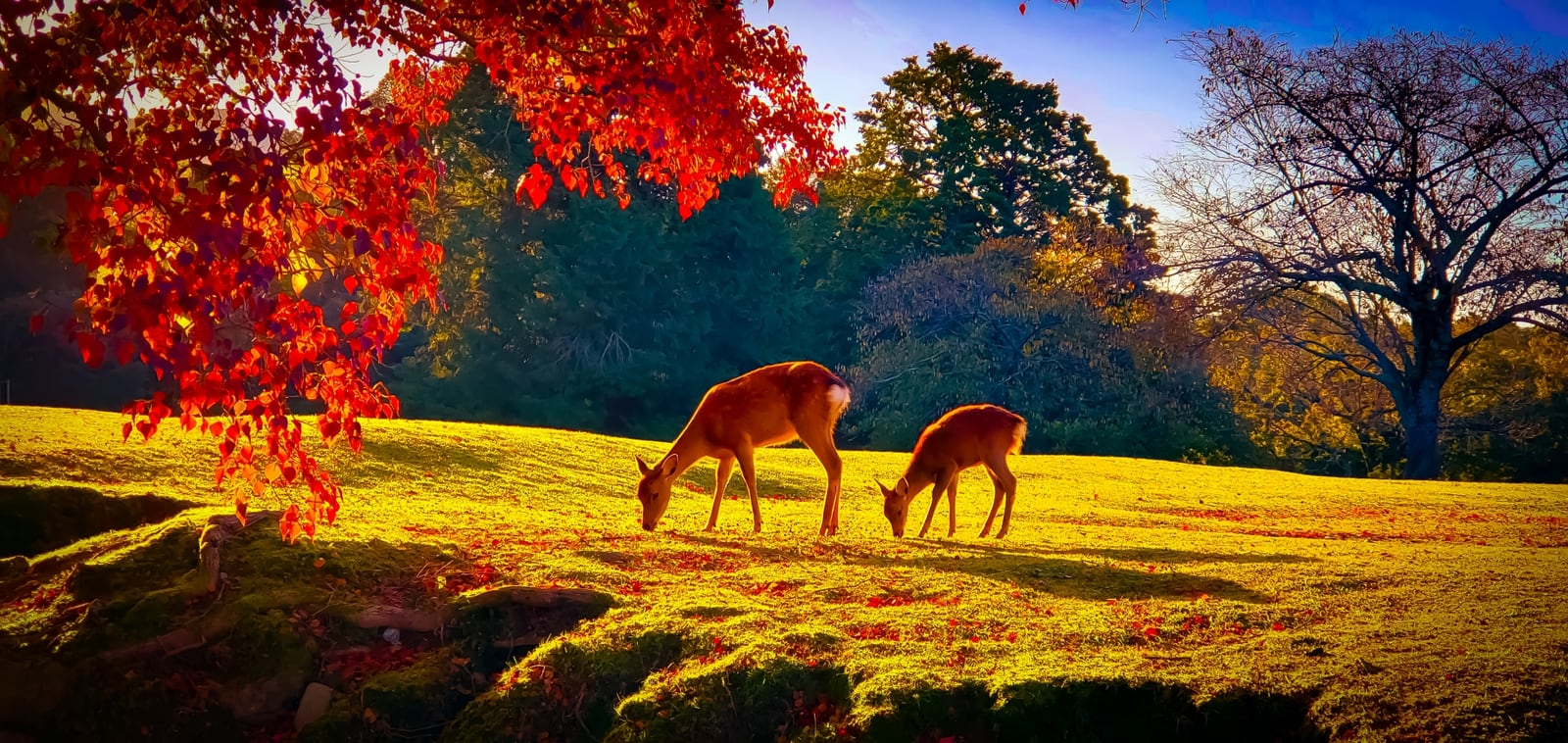
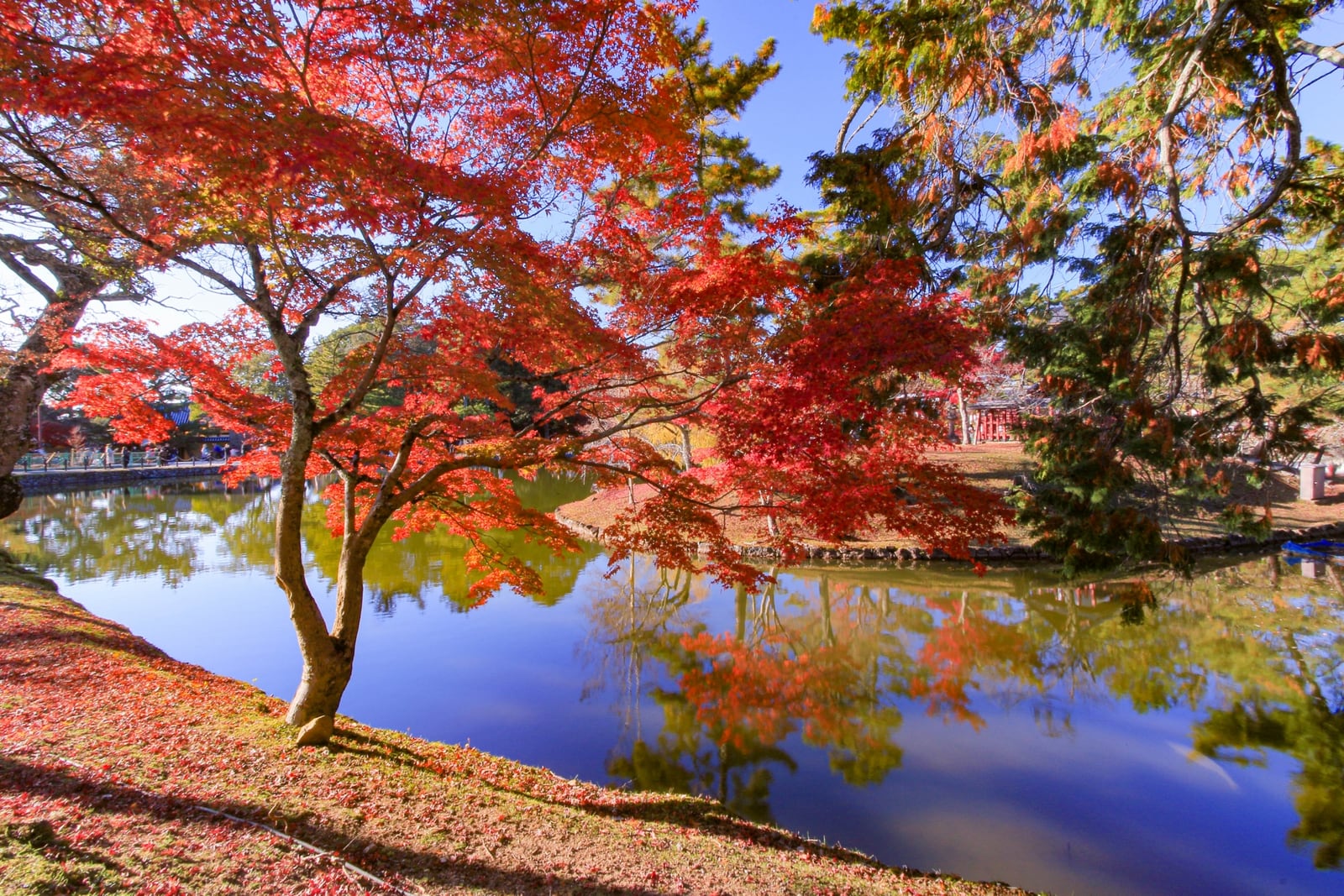
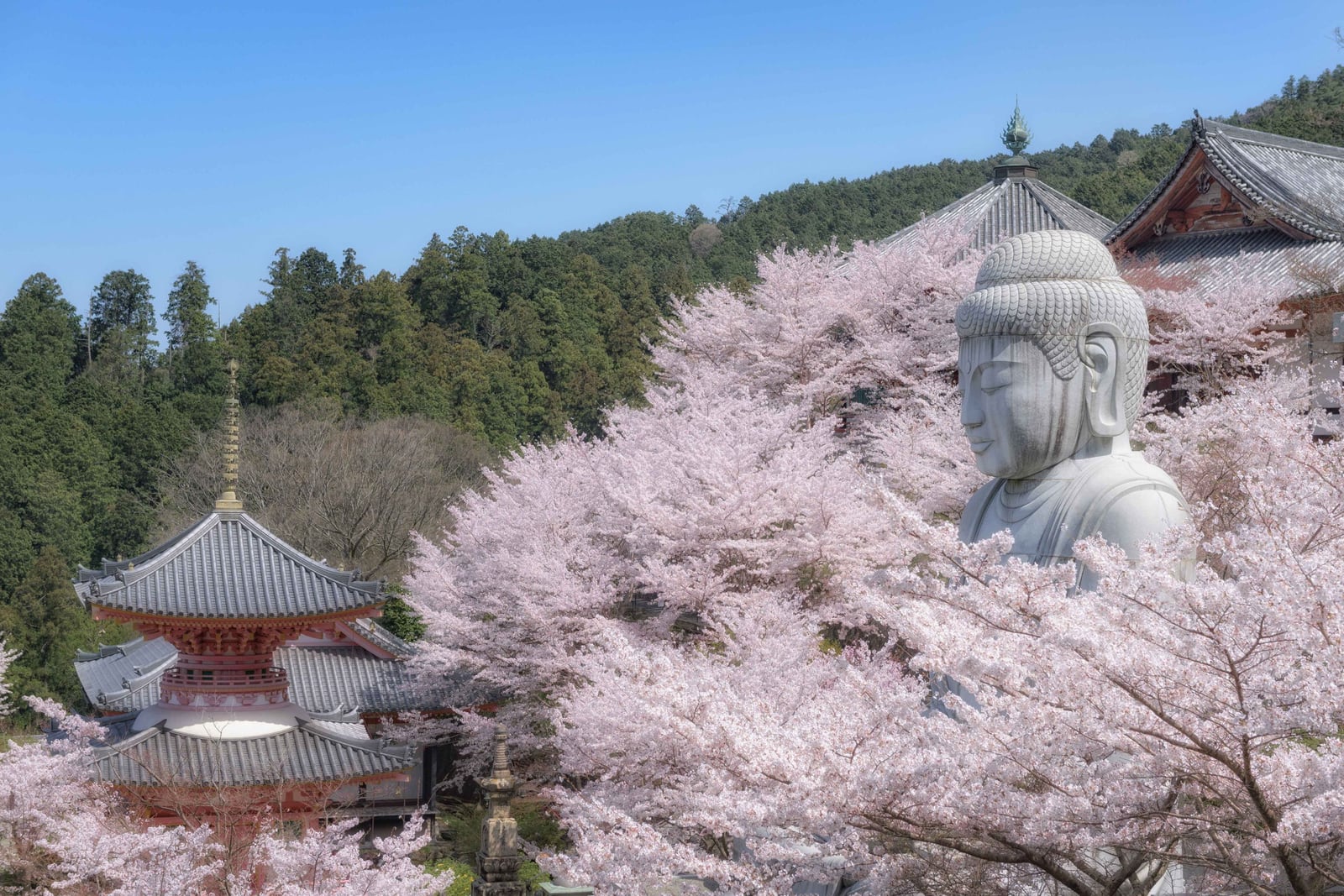
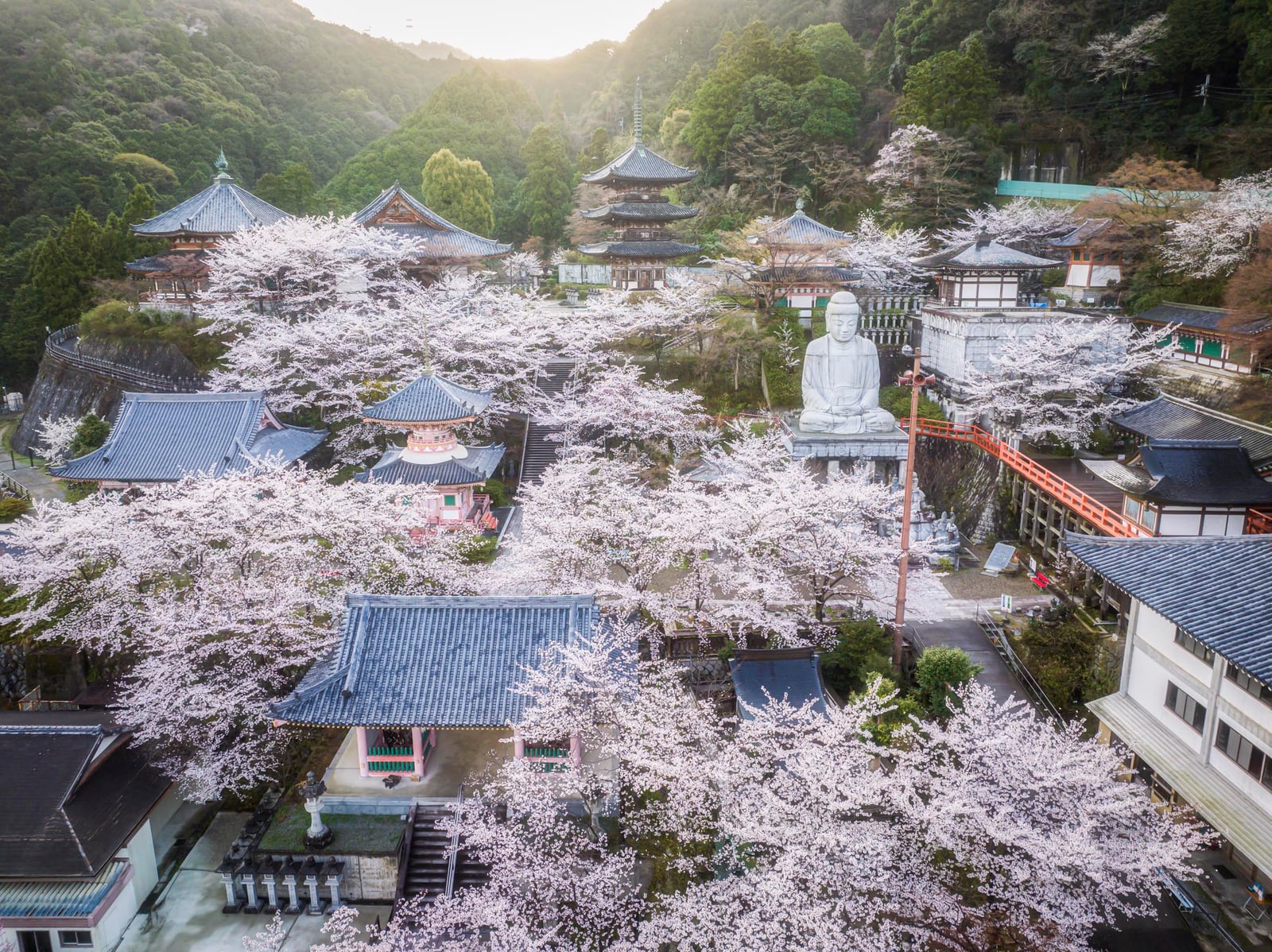
Nara Park Nara's most iconic tourist attraction, home to thousands of adorable sika deer that roam freely and interact with visitors. The park is also surrounded by world-class historical and cultural sites such as Todai-ji Temple, Kasuga Grand Shrine, and Kofuku-ji Temple, exuding a rich ancient capital charm. In spring, when cherry blossoms are in full bloom, the pink blossoms and leisurely strolling deer create a picturesque scene, showcasing Nara's most representative spring landscape. In autumn, maple leaves and ginkgo trees intertwine to create vibrant colors, with fiery red maple leaves, ancient temples, and sika deer painting a charming autumn scene of the ancient capital, displaying different charms throughout the four seasons. Todai-ji Temple Nara's most representative World Heritage Site and one of Japan's largest wooden structures, housing the 15-meter-tall Great Buddha of Nara, showcasing a thousand years of history and solemn grandeur. In spring, cherry blossoms bloom around the Great Buddha Hall, with ancient temples and pink cherry blossoms complementing each other, creating a serene and elegant atmosphere. In autumn, red maple leaves and golden ginkgo trees adorn Mirror Pond, Nigatsu-do Hall, and the area around the Great Buddha Hall, presenting a classic scene where historical temples blend with natural beauty. Tsubosaka-dera Temple With over 1,300 years of history, Tsubosaka-dera Temple is famous for prayers for eye ailments and its giant stone Buddha, making it one of Nara's renowned ancient temples. The temple is nestled on a mountainside, surrounded by mountains, with distinct scenery throughout the four seasons. In spring, when cherry blossoms are in full bloom, the temple grounds are dyed in soft pink hues, complementing the ancient temple and stone Buddha landscape, exuding a solemn yet gentle spring ambiance. In autumn, it is enveloped by layers of fiery red maple leaves, with the vermilion three-story pagoda, stone steps, and ancient temple architecture reflecting the vibrant red leaves, showcasing one of Nara's most representative hidden gems for autumn foliage viewing. Mount Yoshino (Autumn Limited) Japan's famous World Heritage Site, a sacred place for Shugendo since ancient times, and renowned throughout Japan for its "Senbonzakura" (thousand cherry trees) in spring. In autumn, the entire mountain forest transforms into fiery red and golden colors, from Shimo-senbon, Naka-senbon to Kami-senbon, where you can admire the magnificent scenery of layers of mountains dyed red. Stroll along the ancient pilgrimage path, appreciate the stunning views created by ancient temples, shrines, and mountains covered in red leaves, and experience the autumn charm of this World Heritage Site, which is completely different from its spring cherry blossoms. Takami no Sato, Sky Garden (Spring Limited) Located at the border of Mie and Nara, Takami no Sato is known as the "Sky Cherry Blossom Garden," with over a thousand mountain cherry trees planted on the hillside from bottom to top. During the blooming season, pink and pale red cherry blossoms cover the entire hill, like a dreamy carpet of flowers blooming in a sea of clouds. From the mountaintop trail, you can overlook the spectacular view of the entire cherry tree forest extending below your feet, and the 360° panoramic view allows you to appreciate the breathtaking beauty of layers of mountains intertwined with cherry blossoms.
Highlights
What's included
What's not included
Cancellation policy
- Free cancellation with 24 hours' notice.
Additional info
More things to do in Nara
- Nara UNESCO Walk: Todaiji, Great Buddha & Kasuga Taisha
- Mount Ikoma & Nara Fun Trip | Sky Cycle + Nara Park Deer Feeding + Todai-ji Temple + Wakakusa Mountain Overlook Day Trip | Depart from Osaka (Ikoma Sanjo Amusement Park or Hirakata Park Optional)
- Nara Adventure: Todaiji, Kasuga Shrine, Nara Park & More from Kyoto
- Kyoto and Nara World Heritage Day Trip with Uji Matcha Making Experience
- Full-Day Private Guided Tour to Yoshino
- Nara Kimono Rental & Photo Shoot Experience | Kimono Rental Misaki