
Full-Day Tour of Umm Qais, Jerash, and Ajloun from Amman
by R H VIP Transportation Services
Choose from 3 available options
How do you want to book?
Book on Viator Confirmed right away, but you pay full price.$178Overview
The full-day tour starts with hotel pickup in Amman at 8 am, followed by private transportation with an English-speaking driver. The first stop is Jerash, where visitors spend about two hours exploring the extensive Roman ruins. Key sites include Hadrian's Arch, the Hippodrome, the Oval Plaza, the Cardo Maximus street, the South Theater, the Temple of Artemis, the Temple of Zeus, and the Nymphaeum. After Jerash, the tour continues to Umm Qais for approximately one hour. Visitors can explore two Roman theaters, the colonnaded Decumanus Maximus street, the Basilica Terrace with Byzantine and Roman remains, and the Umm Qais Museum housed in a restored Ottoman building. From the hilltop, there are views of the Sea of Galilee, the Yarmouk River, and the Golan Heights. The final stop is Ajloun Castle, located on a hilltop about 75 kilometers northwest of Amman. Guests spend around 45 minutes touring the castle’s towers, moat, interior rooms, and the onsite museum with historical artifacts. The castle offers panoramic views of the Jordan Valley and surrounding hills. The total duration of the tour is six to eight hours, including hotel pickup and drop-off. A local guide is available at Jerash if selected. Personal expenses are not included.
Highlights
What's included
What's not included
Itinerary
Archaeological Museum of Umm Qais
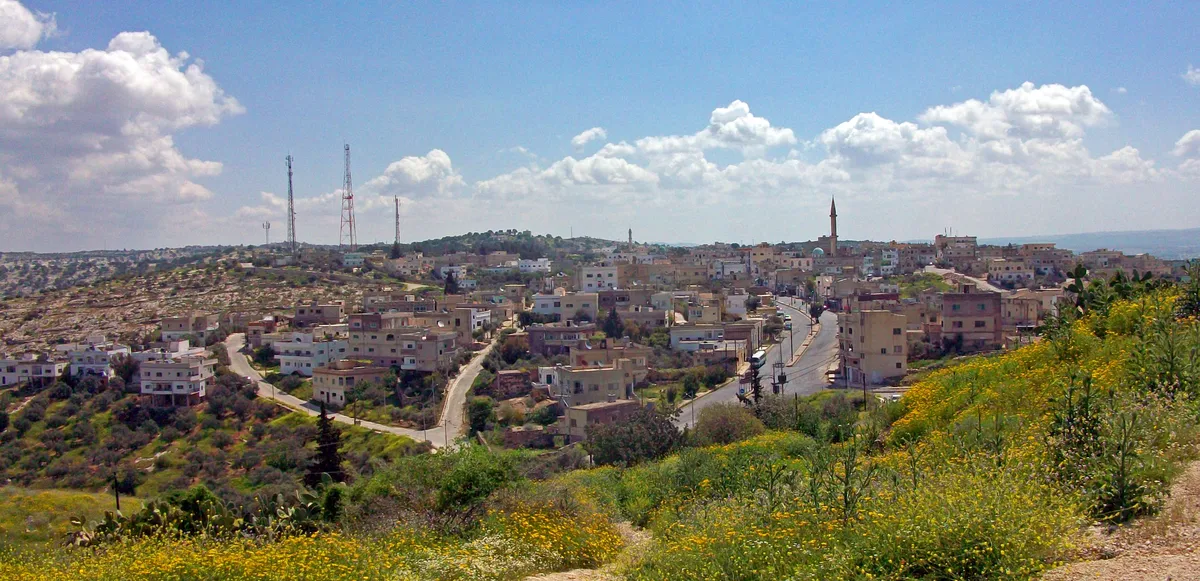
The site includes two Roman theaters, with the main western theater built from black basalt stone. Visitors walk along the well-preserved colonnaded street called the Decumanus Maximus, which illustrates the city's Roman urban layout. The Basilica Terrace holds remains of a Byzantine church constructed over an earlier Roman mausoleum. The Umm Qais Museum, housed in a restored Ottoman residence, displays artifacts from Hellenistic, Roman, and Islamic periods. From the hilltop, guests see wide views of the Sea of Galilee, the Yarmouk River, and the Israeli-occupied Golan Heights.
60 min
Ajlun Castle (Qala'at ar-Rabad)
Perched on a hilltop 75 km northwest of Amman, the castle was originally designed with four main towers and a moat. Later expansions added more towers and a gate with a drawbridge. Visitors explore the castle's rooms, corridors, and staircases forming a complex interior layout. Inside, a small museum exhibits artifacts from different historical periods. The battlements offer panoramic views of the Jordan Valley, the Sea of Galilee, and surrounding forested hills.
45 min
Jerash Ruins
Jerash is a large archaeological area with main roads connecting key attractions. Highlights include Hadrian's Arch, a triple-arched gate honoring Emperor Hadrian, and the Hippodrome, a Roman arena seating 15,000 for chariot races and events. Visitors see the Oval Plaza surrounded by Ionic columns, which functioned as a market, and the Cardo Maximus, an 800-meter colonnaded street with original paving and chariot wheel marks. The South Theater seats over 3,000 and is still used for performances. The Temple of Artemis features Corinthian columns, while the hilltop Temple of Zeus offers views of the ruins and city. The Nymphaeum is a large public fountain with an ornate facade and water channels.
120 min
Languages
Cancellation policy
- Cancel at least 24 hours before start for a full refund.
Additional info
More things to do in Amman
- Madaba, Mount Nebo & Kerak — full-day tour from Amman
- Half-Day Dead Sea Tour from Amman by Private Vehicle
- Petra and Wadi Rum Full-Day Private or Group Tour from Amman
- Amman Petra Full-Day Trip with Optional Local Guide and Admission
- Day Tour from Amman to Madaba, Mount Nebo and Baptism Site