
Gyeongju UNESCO Sites Private Tour with Licensed English Guide
by KOREA DISCOVERY TOUR
Choose from 5 available options
How do you want to book?
Book on Viator Confirmed right away, but you pay full price.$373Overview
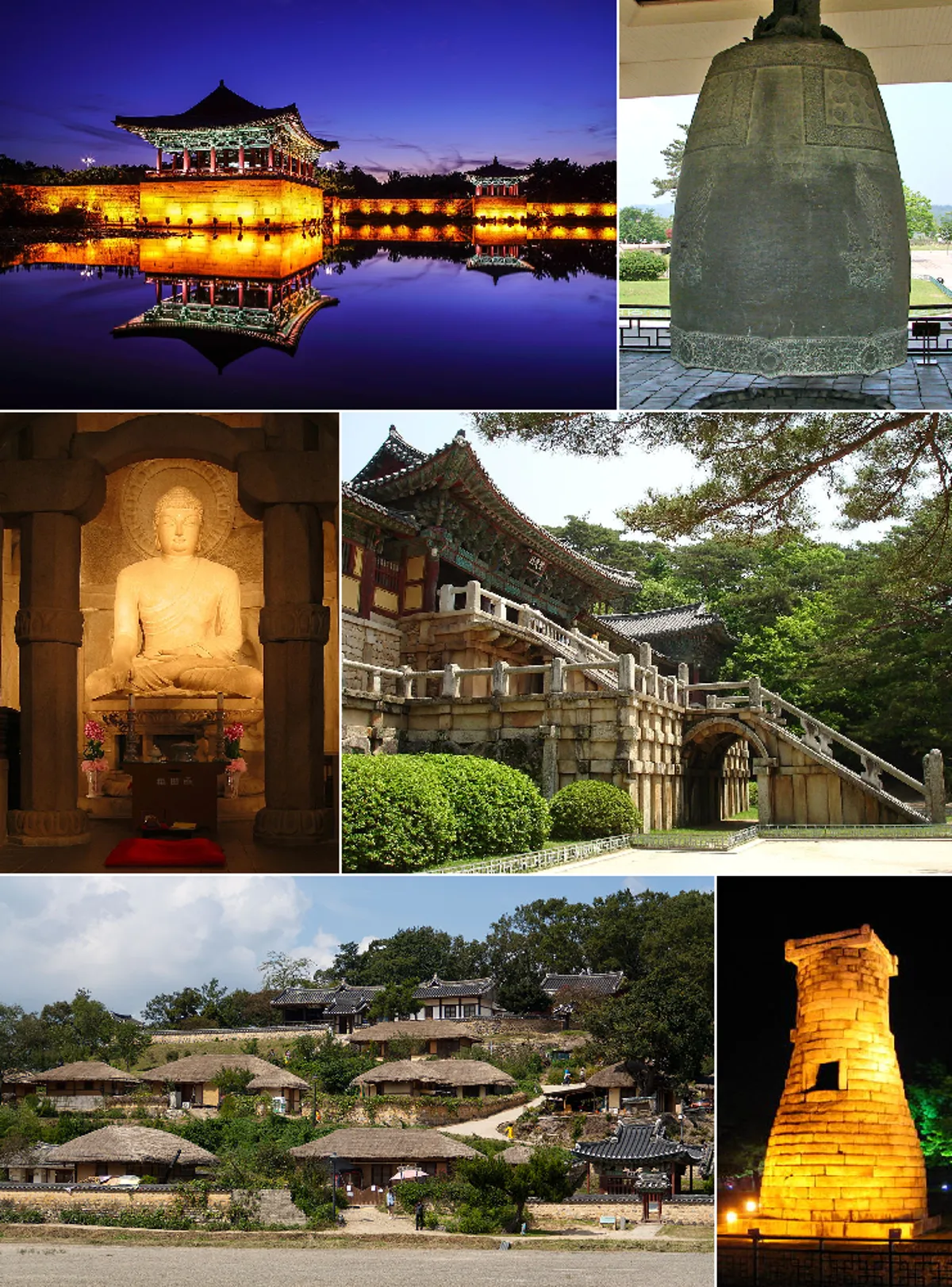
This private tour covers key UNESCO World Heritage sites in Gyeongju over a flexible period of about 4 to 9 hours. Transportation is provided in a private vehicle equipped with air conditioning, and a licensed English-speaking guide leads the itinerary, which can be customized. Pickups and drop-offs are available from either Gyeongju or Busan, depending on the selected option. The tour visits Bulguksa Temple, an 8th-century Buddhist complex with stone pagodas and wooden halls, where visitors spend around one hour exploring the grounds and national treasures like Dabotap and Seokgatap pagodas. Next is Seokguram Grotto, located in the nearby mountains, with a granite Buddha statue surrounded by carvings representing the Silla dynasty’s Buddhist art; the stop lasts about 40 minutes. The Daereungwon Tomb Complex follows, featuring royal burial mounds including Cheonmachong or "Heavenly Horse Tomb," where visitors can enter to view artifacts such as a golden crown. The tour continues to Gyeongju National Museum for approximately 40 minutes to see over 100,000 Silla-era artifacts, including the 20-ton Bell and royal crowns. Cheomseongdae Observatory, the oldest surviving astronomical observatory in Asia, is also included, showcasing a 9.17-meter stone tower made of 365 granite blocks. Additional stops include Gyochon Traditional Village, home to the historic House of the Gyeongju Choi Clan and traditional hanok houses, with a 40-minute visit, and Woljeonggyo Bridge, a 66.15-meter wooden bridge rebuilt between 2008 and 2018, representing Unified Silla architecture and illuminated at night. Parking fees and tolls are covered. Meals and entrance fees are not included, although entrance is free for visitors over 65 years old where applicable.
Highlights
What's included
What's not included
Itinerary
Bulguksa Temple
Bulguksa Temple is an 8th-century Buddhist temple and UNESCO World Heritage site in Gyeongju. It features stone pagodas like Dabotap and Seokgatap, wooden halls, and tranquil grounds representing Silla-era architecture. Visitors spend about 60 minutes exploring its historic buildings and cultural treasures.
60 min
Seokguram
Seokguram Grotto, located near Bulguksa Temple, is an 8th-century mountain grotto housing a granite Buddha statue. The interior includes detailed carvings of bodhisattvas and guardians, symbolizing Silla dynasty Buddhist art. Visitors typically spend 40 minutes at this peaceful site.
40 min
Daereungwon Tomb Complex
Daereungwon is a royal tomb park with ancient burial mounds from the Silla dynasty. The Cheonmachong or "Heavenly Horse Tomb" is notable for excavated artifacts and murals. Visitors can enter this tomb to see items like a golden crown and learn about royal Silla culture during a 40-minute visit.
40 min
Gyeongju National Museum
Gyeongju National Museum holds over 100,000 artifacts from the Silla Kingdom, including the 20-ton Bell and golden crowns from royal tombs. Exhibits cover Silla history, Buddhist art, and finds from Anapji Pond. Visitors spend approximately 40 minutes exploring its permanent collections.
40 min
Cheomseongdae Observatory
Cheomseongdae Observatory dates back to Queen Seondeok’s reign (632–647 CE) and is Asia’s oldest surviving astronomical observatory. The 9.17-meter tall stone tower is built from 365 granite blocks representing the days of the year. It features strategically placed openings for observing celestial events.
Gyeongju Gyochon Traditional Village
Gyochon Village reflects Korea’s traditional culture and is home to the Gyeongju Choi Clan with a 12-generation heritage. The village includes the House of the Gyeongju Choi Clan, an Important Folklore Material, and several hanok houses. Visitors spend about 40 minutes exploring this historic area.
40 min
Woljeonggyo Bridge
Woljeonggyo Bridge is a reconstructed wooden bridge originally built in 760 AD during the Unified Silla period. It was rebuilt from 2008 to 2018 and measures 66.15 meters long. This largest wooden bridge in Korea shows traditional Korean architectural details and is lit up at night.
20 min
Languages
Cancellation policy
- Cancel at least 24 hours before start for a full refund.