
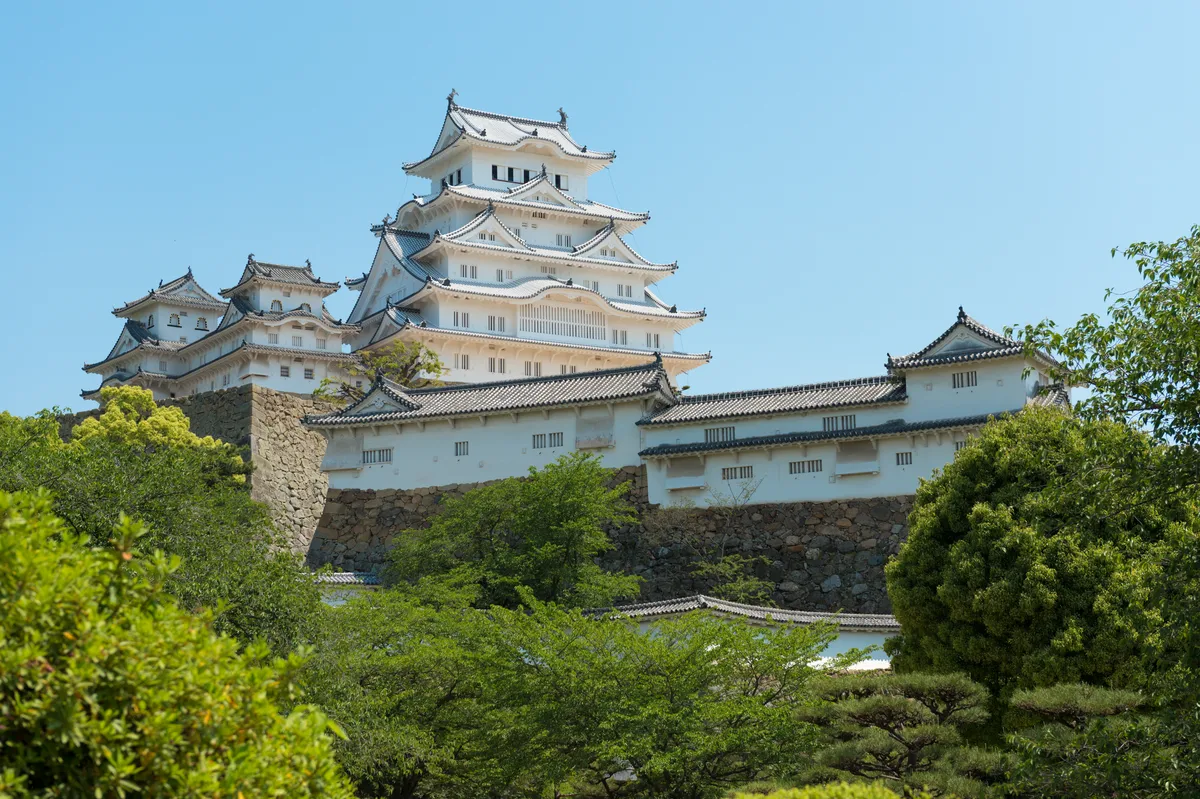
Himeji Half-Day Private Walking Tour with Government-Licensed Guide
by Japan Guide Agency
Choose from 2 available options
How do you want to book?
Book on Viator Confirmed right away, but you pay full price.$205.96Overview
This private walking tour in Himeji lasts about four hours and includes a government-licensed English-speaking guide. Guests meet the guide on foot within a designated area of Himeji city. The itinerary is flexible and can be customized by selecting two or three sites from a provided list. Among the options is Himeji Castle, Japan’s largest and best-preserved feudal castle, known for its white plaster exterior and complex defensive design. The castle dates back to 1346 and retains its form from 1909. It was given to the government after the samurai period ended and is now open to visitors as a historical site. Other possible stops include Engyo-ji Temple on Mount Shosha, established in 970 and recognized for its wooden structures related to Japanese cultural heritage. The temple was a filming location for the movie Last Samurai. Mount Shosha can be reached by ropeway, although the ropeway is closed for maintenance from January 20 to March 23, 2025. Additional places to visit are a museum housed in an old army headquarters with Belgian and local art collections, Koko-en Garden next to the castle featuring nine gardens designed on an archaeological site, and Nadagiku Shuzo Sake Brewery known for its female brewers and offering sake tastings as well as non-alcoholic options. Hiromine Shrine, built in 733 and combining Shinto and Buddhist architectural styles, offers views toward Himeji Castle and the coast. Egret Himeji is a public building with shops and restaurants whose rooftop provides an unobstructed view of Himeji Castle. Transportation, entrance fees, meals, and personal expenses are not included. Guide entry fees are covered only for sites listed in the itinerary options. The tour is on foot with no vehicle service, and combining groups is not permitted.
Highlights
What's included
What's not included
Itinerary
Himeji Castle
Himeji Castle was registered as a world heritage site in 1993. It features architecture demonstrating advanced defense systems and political authority. Construction started in 1346 under Akamatsusadanori during a civil war. The castle changed shape under various owners but retains the form from 1909. After the samurai era ended, the castle was transferred to government ownership and is now open to the public for educational and historical purposes.
20 min
Engyo-ji Temple
Engyo-ji Temple is a Tendai sect temple on Mount Shosha north of Himeji. Founded in 970, it resembles a famous Kyoto temple built on a mountainside. The wooden main building and dining hall are registered as Japanese cultural heritage. The temple was also a filming location for the movie Last Samurai. Note that the Mt. Shosha Ropeway access to the temple is closed from February 5 to March 18, 2026, for maintenance.
20 min
Mt Shosha hiking
Mount Shosha is the site of Engyoji, a temple complex with a history of over 1000 years. It is located at the edge of Himeji City and can be reached in about 30 minutes by bus and ropeway. The temple buildings are spread over a spacious, forested mountaintop. From the ropeway station, it takes 10-15 minutes uphill to reach the Niomon Gate and another 10-15 minutes to the Maniden, a wooden temple hall built on pillars on a steep slope. A minibus runs every 20 minutes between the upper ropeway station and Maniden for 500 yen round trip. The ropeway will be closed for maintenance from February 5 to March 18, 2026.
20 min
Museum
This museum is located in a former army headquarters building constructed with red bricks. It focuses on Belgian art due to a sister city relationship with a Belgian city, featuring works from traditional European to modern art, as well as local artist collections. A café popular with visitors is on site and offers a place to rest while touring near the castle.
10 min
Koko-en
Koko-en Garden covers about 3.5 hectares next to Himeji Castle and was built for the city’s 100th anniversary. The land was originally part of the castle grounds with excavated ancient settlements dating back to 1618. The garden is divided into nine sections based on the original excavation layout. Visitors can enjoy tea or meals at the garden restaurant. It provides a quiet retreat before or after visiting the castle.
10 min
Nadagiku Shuzo Sake Brewery
Himeji is mentioned in an old manuscript as the birthplace of Japanese sake. This brewery is known for having female staff producing sake. Visitors can taste various sake and purchase them. For non-drinkers, the restaurant in front offers healthy tofu dishes and courses. There is also an outdoor kiosk selling non-alcoholic sweet sake and soft cream.
Hiromine Shrine
Built in 733 on Hiromine Mountain, this shrine is notable for combining Shinto and Buddhist architectural styles, reflecting the study of both religions at this site. A samurai captain once profited by selling eye drops using an amulet from the shrine. The shrine offers views over Himeji Castle extending towards the seafront.
Egret Himeji
Egret Himeji is a public building that includes a shopping center, restaurants, and public halls. Its rooftop is open to the public free of charge and provides an unobstructed view of Himeji Castle. The rooftop offers a clearer view than areas closer to the castle where the view is partially blocked.
10 min
Languages
Cancellation policy
- Cancel at least 24 hours before start for a full refund.