
Jajce, Travnik and Pliva Watermills Day Tour from Sarajevo
by Adventure in Bosnia | Tour Agency | Tours and Excursions
Choose from 1 available option
How do you want to book?
Book on Viator Confirmed right away, but you pay full price.€170Overview
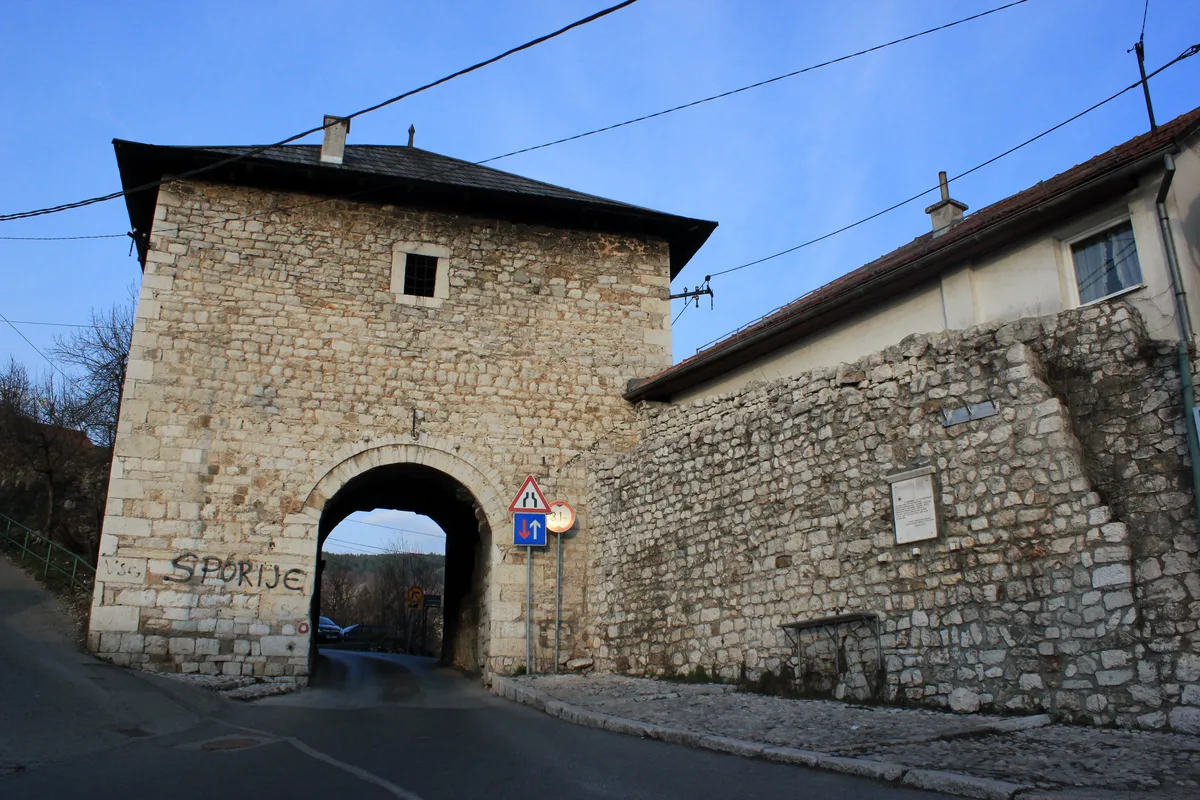
Jajce is a historic town known for its 17-meter-high waterfall located in the town center where the Pliva and Vrbas rivers meet. This full-day bus tour from Sarajevo lasts about 8 to 10 hours and includes private transportation with onboard WiFi and bottled water. The tour begins in Travnik, which became the capital of the Ottoman province of Bosnia in 1699 and housed the Bosnian viziers. Travnik was an important government center with consulates from France and Austria-Hungary. Stops in Travnik include the Old Fort, a well-preserved medieval fortress, a coffee break by the Blue Water Springs (Plava voda), and a visit to the Suleymanis Mosque, also known as the Multi-coloured Mosque, built in 1757. Next, the tour proceeds to Jajce, a town with a complex history and notable landmarks. Visitors see the Fortress of Jajce, a former capital of the Bosnian Kingdom. A brief visit is made to the Catacombs of Jajce, a small underground Christian church carved in rock in late Romanesque style. The Crkva Sv. Marije church, originally Romanesque then adapted to Gothic style, is also visited; it was the site of the last Bosnian king’s coronation and later converted to a mosque during Ottoman rule but now stands as ruins. The tour includes a stop at Esma Sultana Mosque, the only mosque in Bosnia named after a woman and a national monument. The Pliva Waterfall, one of the world’s notable waterfalls and the only one that forms an estuary, is viewed from different angles. Then the group visits Mlincici, a cluster of about 20 watermill huts dating back to the Austro-Hungarian period, located on the Pliva Lakes. A lunch break takes place here, overlooking the lake. Finally, a short visit to the Pliva Lakes with their clear water and natural surroundings completes the sightseeing before returning to Sarajevo. Admission fees and lunch are not included in the price.
Highlights
What's included
What's not included
Itinerary
Fortress of Jajce
This medieval city known as King city was one of the best-preserved fortified capitals of the Bosnian Kingdom. It was the last stronghold before the kingdom dissolved under Ottoman pressure.
30 min
Catacomb of Jajce
Locals call this an underground Christian church a catacomb, though it is not a true catacomb. The church was carved in a single rock cave in late Romanesque style.
5 min
Crkva Sv. Marije Jajce
Originally a Romanesque church from the 12th or 13th century, it was modified in the Gothic style in the first half of the 15th century when Jajce became the Bosnian kingdom's capital. Jelena Branković brought the relics of St. Luke the Evangelist, which her father bought from the Ottoman sultan in 1453 for 30,000 ducats. The last Bosnian king, Stjepan Tomašević, was crowned here in November 1461. Converted into a mosque in 1528, it was damaged by multiple fires, the worst in 1658 and the last in 1832, after which only the walls remained and it has not been used since.
5 min
Esma Sultana Mosque
Also called Čaršija Mosque, it is located on the main street in Jajce connecting Travnička and Banja Luka gates. It is the only mosque in Bosnia named after a woman and is a national monument.
10 min
Pliva Waterfall
At 17 meters high, this waterfall in the center of Jajce joins the Pliva and Vrbas rivers, creating a unique estuary. It is listed among the twelve most beautiful waterfalls worldwide.
30 min
Mlincici
Located downstream of Jajce on the Pliva Lakes, this area has about 20 watermill huts dating from the Austro-Hungarian era (1867-1918). The site resembles a storybook village and includes a lunch break with views of the lake.
30 min
Pliva Lakes
These lakes near Jajce have clear water and are surrounded by natural scenery. They are considered symbols of the city.
10 min
Tvrdava Stari grad
The first stop in Travnik at 8:00 am is the Old Fort, a well-preserved medieval fortress that reflects various historical periods, representing the Bosnian Kingdom history.
40 min
Travnik
A break to drink Bosnian coffee is taken at the Blue Water Springs (Plava voda), located near a flowing river.
30 min
Sarena Dzamija
Also known as Suleymanis or Multi-coloured Mosque, this mosque was built in 1757 during Ottoman rule and is noted for its architecture.
5 min
Meeting point
Agency Office
End point
Agency Office
Languages
Cancellation policy
- Cancel at least 24 hours before start for a full refund.
Additional info
More things to do in Sarajevo
- Sarajevo Roses of Sarajevo War Olympic and City Tour Story of a Survivor Small-Group
- Bosnian Cooking Lessons in Sarajevo
- Sarajevo Private Walking Tour with Food Tasting and Bosnian Coffee
- Mostar & Herzegovina 4 Cities Day Trip from Sarajevo with Fees Included
- Sarajevo Essential Full Walking Tour
- Sarajevo 1425 Days Under the Siege War Tour