
Luxor East and West Bank Highlights Full-Day Tour
by Magic Carpet Travel
Choose from 1 available option
How do you want to book?
Book on Viator Confirmed right away, but you pay full price.$215.40Overview
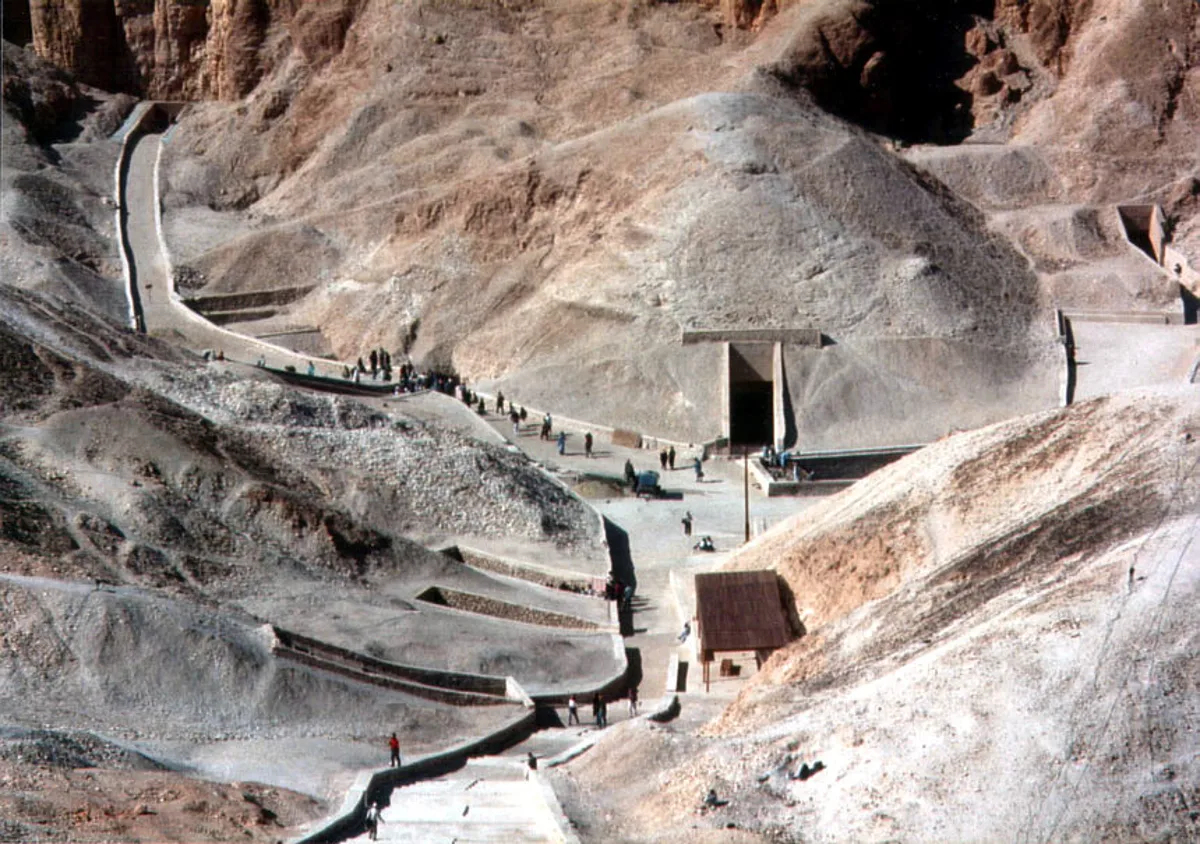
This full-day bus tour of Luxor lasts about eight hours and covers the main attractions on both the west and east banks of the Nile. The day begins on the west bank, where the guide leads the group to the Valley of the Kings. Here, visitors explore some of the 63 royal tombs carved into the mountainside, including the tomb of Tutankhamun. The walls inside these tombs feature colorful scenes related to ancient Egyptian burial customs. Next, the tour continues to the Temple of Hatshepsut, a funerary temple built into a cliff face. Visitors can examine the temple's architecture and the wall reliefs depicting the reign of Queen Hatshepsut, noting the damage to some images caused by her successor, Thutmose III. The last stop on the west bank is the Colossi of Memnon - two large statues that once guarded the memorial temple of Amenhotep III. The temple itself was mostly destroyed by earthquakes and floods, but the colossi remain standing near the Nile. After visiting these sites, the group has lunch at a local restaurant. In the afternoon, the tour moves to the east bank for a visit to the Karnak Temple complex. This is the largest temple complex in the world, dedicated to the Theban triad of gods: Amun, Mut, and Khonsu. Visitors see the massive hypostyle hall with its 134 papyrus-shaped columns, colorful hieroglyphs, and the sacred lake used by priests for purification. The temple was built and expanded over more than 2,000 years by around thirty pharaohs. After the visit, the group is driven back to their hotel. The tour includes hotel pickup and drop-off, bottled water, lunch, a professional Egyptologist guide, transport by private vehicle, and taxes, but entry tickets and tips are not included.
Highlights
What's included
What's not included
Itinerary
Valley of the Kings
The tour begins at the Valley of the Kings on Luxor’s west bank. This royal necropolis contains 63 tombs carved into the mountainside, including the famous tomb of Tutankhamun. Visitors enter at least one tomb to view its painted walls depicting funerary rites and beliefs of ancient Egypt, illustrating how pharaohs prepared for death as their most important achievement.
120 min
Temple of Hatshepsut
Next is the Temple of Hatshepsut, a funerary temple built against a cliff. The temple’s architecture blends with the natural rock face. Inside, the walls show scenes from Hatshepsut’s reign, including many damaged images and inscriptions removed by her successor Thutmose III, who sought to erase her legacy.
60 min
Colossi of Memnon
The last stop on the west bank is the Colossi of Memnon, two large statues that once guarded Amenhotep III’s memorial temple. The temple itself was largely destroyed by earthquakes and floods, but the colossi still stand near the Nile. These statues were once believed to emit a sound at sunrise after a 27 BC earthquake, although this no longer occurs. After this visit, lunch is served at a local restaurant.
15 min
The Karnak Temple
The visit continues at Karnak Temple on the East Bank, the largest ancient temple dedicated to the Theban triad: Amun, Mut, and their son Khonsu. The temple was connected to Luxor Temple by an avenue of sphinxes used during the Opet Festival, when statues of the triad were carried in procession so that Amun-Ra meets Amun-Min. The complex consists of three precincts, but only the Amun-Ra precinct is open to the public. Visitors pass through the hypostyle hall with 134 papyrus-shaped columns and see colored engravings and hieroglyphs on the walls. At the rear of the precinct is a sacred lake of natural spring water, used by priests for purification before entering the temple. The whole complex was built and expanded over more than 2000 years by about thirty pharaohs.
120 min
Languages
Cancellation policy
- Cancel at least 24 hours before start for a full refund.
Additional info
More things to do in Luxor
- Luxor Hot Air Balloon Ride at Sunrise
- Private Guided Day Trip to Valley of the Kings Including Tombs of Tutankhamun, Ramses III, Merenptah, and Ramses IV
- Luxor 6-8 Hour Private Day Tour of East and West Bank Temples and Tombs
- Private Transfer from Luxor to Hurghada by Car