
Private Walking Tour of Cartagena Walled City, Getsemaní, and Historic Squares
by NEXPERIENCE
Choose from 2 available options
How do you want to book?
Book on Viator Confirmed right away, but you pay full price.$113.64Overview
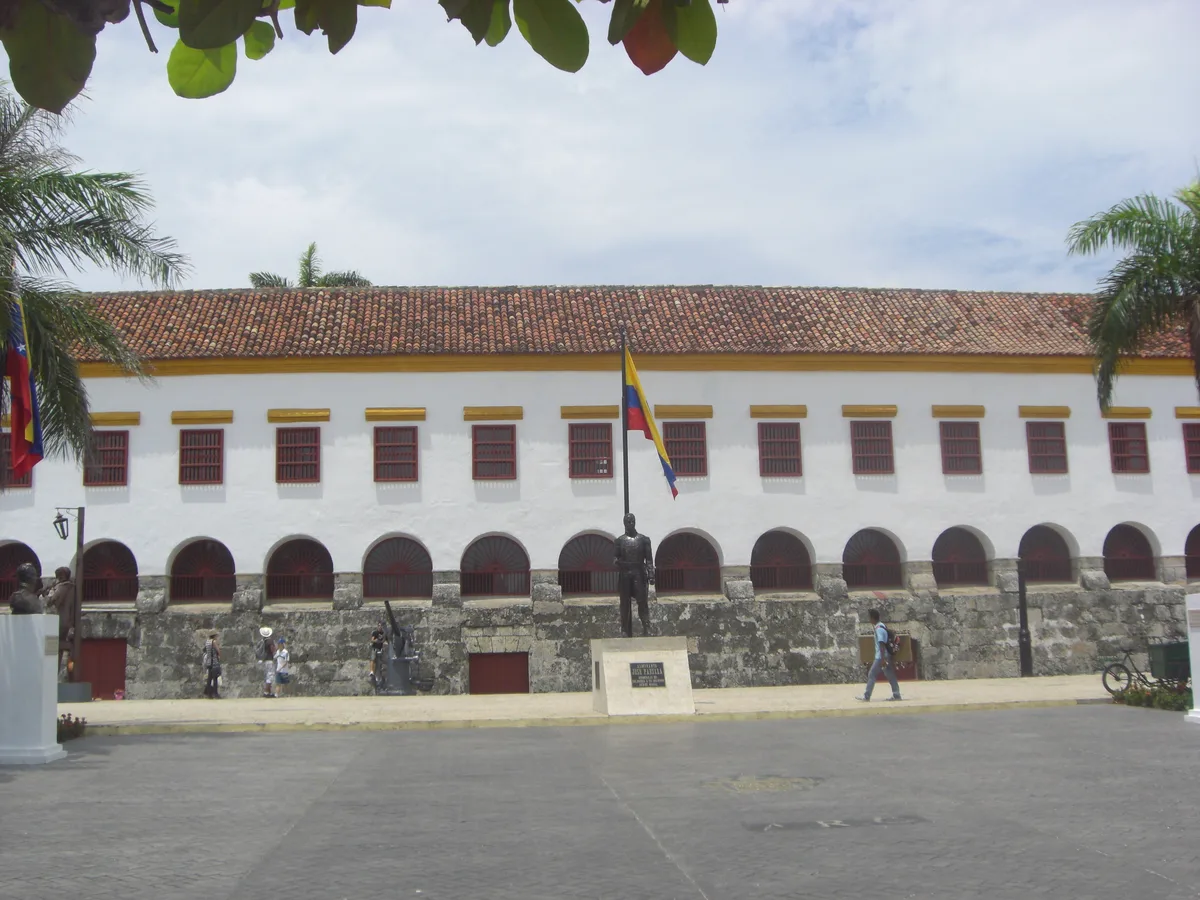
This private walking tour in Cartagena lasts about two to three hours and moves at your own pace with a certified local guide. You may start at the iconic Clock Tower or request hotel pickup for convenience. The tour begins with an introduction at the Camellón de los Mártires, where the guide shares stories of the Indigenous peoples and Cartagena’s early history. From there, you walk through Plaza del Ecuador and follow the old slave route along Porto Carrero and Candilejo streets, encountering the monument of Pedro de Heredia, the city’s founder. Stops include the Portal de los Dulces, where traditional Caribbean sweets are sold, and the Plaza de la Aduana, once the commercial center and slave market site. The route passes the Museum of Modern Art, the Church and Museum of San Pedro Claver, and the Baluarte de San Ignacio, a bastion built to guard against pirate attacks. You visit the Palacio de la Inquisición, a 17th-century colonial mansion that served as the Inquisition’s seat and now operates as a museum with exhibits on colonial history and torture devices. The tour continues to Plaza de la Proclamación, where Cartagena declared independence in 1811, and then to the Cathedral of Santa Catalina de Alejandría, a prominent colonial church with a bell tower and historic religious art. You walk through Parque Centenario to see local wildlife such as sloths and iguanas, then discuss local graffiti, cafes, and notable figures like Gabriel García Márquez. The route ends in Getsemaní, exploring its famous murals, colonial architecture, and lively streets with music and culture, including Plaza de La Trinidad and Callejón Ancho. Finally, the tour visits Plaza Bolívar and a nearby bastion that illustrates Spanish military defense strategies. The guide provides bottled water, private transportation, and hotel pickup if selected. The tour highlights Cartagena’s colonial history, Caribbean culture, local traditions, and street art throughout the Walled City and Getsemaní neighborhoods.
Highlights
What's included
What's not included
Itinerary
Walled City of Cartagena
The tour explores Cartagena’s Walled City, a UNESCO World Heritage Site. Visitors walk cobblestone streets, romantic squares, and see centuries-old fortifications. The guide shares stories about pirates, colonial conquests, and independence battles, highlighting Indigenous, African, and Spanish influences. Colonial architecture, balconies with flowers, and local aromas reflect the city’s character.
Camellon de los Martires
The guide welcomes guests and confirms reservations at Camellón de Los Mártires – Plaza de Cervantes. This spot introduces the city’s early history, focusing on Indigenous peoples and their cultural impact before Spanish conquest, setting the stage for the rest of the tour.
10 min
Clock Tower and Plaza del Ecuador
Next, the group reaches Cartagena’s Clock Tower, known as the “Golden Key,” and Plaza del Ecuador, formerly Plaza del Esclavo. This area marks the start of the old slave route along Porto Carrero and Candilejo streets. The monument of Pedro de Heredia, the city’s founder, stands nearby as a symbolic guardian.
10 min
Monumento a Pedro de Heredia
At this stop, visitors learn about Miguel de Cervantes’ connection to Cartagena and Colombian literature. The site also reveals the history of the former slave markets. Today, the area is known as Portal de los Dulces, with stalls selling traditional Caribbean sweets like coconut candies, tamarind balls, and guava treats.
5 min
Portal de Los Dulces
Portal de Los Dulces is a place symbolizing women’s economic activity during slavery and how their descendants continue those traditions today.
10 min
Plaza de la Aduana
The Plaza de la Aduana was once Cartagena’s commercial hub and a site for the slave trade. It is surrounded by important colonial buildings, including the Municipal Hall. The plaza’s colonial facades remain well preserved, reflecting the city’s past and present atmosphere.
10 min
Museo de Arte Moderno Cartagena
The tour passes the Museum of Modern Art, which displays Caribbean and Latin American works from the 1950s onward. Nearby are the Gold Museum, with Indigenous artifacts from Colombia’s Caribbean region, and the Emerald Museum, featuring prized gemstones.
10 min
Plaza de San Pedro Claver
This stop focuses on San Pedro Claver, known as the Slave of the Slaves. Visitors see the church and museum-monastery named after him, which also serves as the headquarters for human rights.
10 min
Baluarte de San Ignacio
The Baluarte de San Ignacio is a bastion built to defend the Bay of Souls from pirate attacks. The guide explains the history behind Cartagena’s walls and fortifications.
10 min
Palacio de La Inquisicion
The Palace of the Inquisition, built in the early 17th century, was the seat of the Holy Office in Cartagena. It housed trials of suspected heretics and witches. Today, it is a museum displaying the Inquisition’s history, original torture devices, and colonial exhibits. Its baroque balconies and stone archways contrast with its dark past.
10 min
Plaza de la Proclamacion
Plaza de la Proclamación is where Cartagena declared independence from Spain on November 11, 1811. Surrounded by colonial buildings like the Archbishop’s Palace, the square commemorates the city’s revolutionary history and remains a lively public space.
5 min
Catedral Santa Catalina de Alejandria
The Cathedral of Santa Catalina de Alejandría, built between 1577 and 1612, is one of Colombia’s oldest churches. It features a bell tower and stone facade, with religious art and original altars inside. The cathedral played a central role in the city’s spiritual and social life.
10 min
Parque centenario
Centennial Park, a former railway station and one of Cartagena’s important green spaces, is home to local wildlife such as sloths, squirrels, and iguanas. Visitors can rest under the shade of trees in this tropical dry forest remnant.
10 min
Graffiti and Local Culture
This part of the tour includes conversations about local graffiti, cafes, and notable figures like Blas de Lezo, Gabriel García Márquez, Mister Black, and Joe Arroyo.
10 min
Plaza de La Trinidad
The tour continues through Callejón Ancho and along Calle San Juan, passing the church and square of the Holy Trinity. Music genres like salsa and African champeta can be heard here, reflecting the lively local culture.
10 min
Barrio Getsemani
Getsemaní’s vibrant cultural corridor is known for colorful umbrellas overhead, street art, and colonial architecture. This area showcases the neighborhood’s music, traditions, folklore, and trade.
10 min
Plaza de Bolivar
The final stop includes a bastion illustrating Spanish military defenses and Plaza Bolívar, which honors the precursor of independence. This is a place to rest and reflect on Cartagena’s colonial military history.
10 min
Meeting point
Just look for the ORANGE umbrella, next to the Transcaribe public service traffic light at the Camellón de Los Mátires
End point
This tour ends at the Plaza del Pozo in the Getsemaní neighborhood, but your tour guide can end in a different location of your preference within the Walled City :)
Languages
Cancellation policy
- Cancel at least 24 hours before start for a full refund.
Additional info
More things to do in Cartagena
- Transport to Baru with Lunch included in Cartagena
- Airport Private Transfer to Hotel in Cartagena Urban City
- Cartagena City Tour Castillo de San Felipe and Convento de La Popa
- All-inclusive Mirador de Barú Beach Day Tour with Lunch and Pool Access from Cartagena
- Cartagena 7-Hour Party Boat Tour to Nearby Rosario Islands, Baru, Cholon, Bocachica Fort & Pablo Escobar's Mansion
- Boat Rental in Cartagena de Indias for 9 Hours