
Salvador City Tour of Brazil’s First Capital with São Joaquim Market and Pelourinho En, It, Es
by Citytoursalvadorba
Choose from 1 available option
How do you want to book?
Book on Viator Confirmed right away, but you pay full price.R$2,000Overview
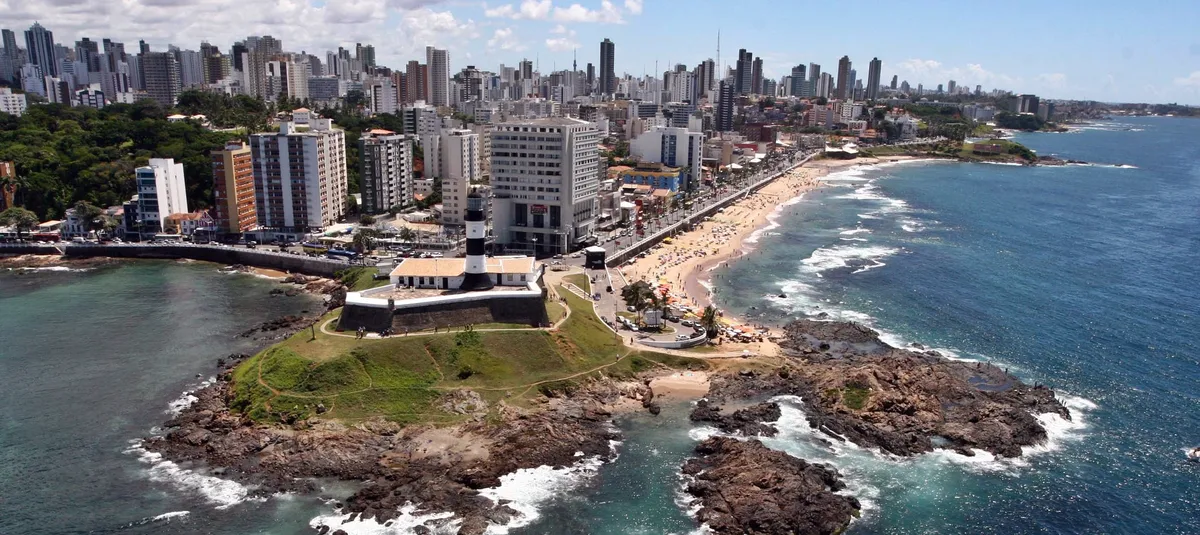
This six-hour bus tour covers key sites in Salvador da Bahia, Brazil’s first capital. The trip begins at Farol da Barra, a 17th-century lighthouse at the meeting point of the Atlantic Ocean and the Bay of All Saints, now home to the Nautical Museum of Bahia. From there, the tour continues to Dique do Tororó, a lake surrounded by gardens and statues representing Orixás, reflecting Afro-Brazilian religious culture. Next, the tour passes Itaipava Arena Fonte Nova, a stadium renovated for the 2014 FIFA World Cup, showcasing Salvador’s modern side. A 30-minute stop at São Joaquim Market follows, where visitors can see local fruits, seafood, crafts, and Afro-Brazilian religious items. The market is an active cultural hub and offers a chance to taste tropical fruits and observe Bahian daily life. The tour also includes visits to the Basilica Do Senhor Do Bonfim, known for its colorful faith traditions, and the Elevator Lacerda, an art deco elevator connecting the city’s upper and lower parts with views over the Bay of All Saints. The longest stop is three hours in Pelourinho, the historic center with colonial architecture, where lunch featuring Bahian dishes such as moqueca or shrimp bobó is served. Additional stops include Palacio Rio Branco, Praca da Se with its colonial buildings and monuments, the Cathedral Basilica of Salvador known for its baroque design, and the Sister Dulce memorial dedicated to Brazil’s first modern female saint. The tour ends with a return to the hotel or cruise port in a private, air-conditioned vehicle. Parking and tolls are included, but entrance fees to museums and churches are not.
Highlights
What's included
What's not included
Itinerary
Farol da Barra
The Barra Lighthouse dates from the 17th century and stands where the Atlantic Ocean meets the Bay of All Saints. It once guided ships entering the bay and now houses the Nautical Museum of Bahia. The site offers ocean views and sea breeze, making it a scenic starting point for the tour.
30 min
Dique de Tororo
Dique do Tororó is a lake surrounded by gardens and sculptures representing Orixás, the deities of Afro-Brazilian religion. It symbolizes the blend of African culture in Bahia and provides panoramic views of Salvador’s city skyline.
Itaipava Arena Fonte Nova
Built originally in 1951 and renovated for the 2014 FIFA World Cup, this stadium hosts football matches and concerts. Its architecture illustrates Salvador’s modern developments alongside the historic city.
Sao Joaquim Market
São Joaquim Market is a large open-air market near the Bay of All Saints and Salvador’s lower city. It offers fruits like umbu, cajá, and serigella, seafood, crafts, and items used in Afro-Brazilian religious practices. The guided visit lasts about 30 minutes and highlights local flavors and traditions.
30 min
Basilica Do Senhor Do Bonfim
This church is known for its colorful ribbons tied on the gates and its combination of Catholic and Afro-Brazilian beliefs. Pilgrims visit to make wishes and give thanks. The hilltop location provides views over the bay.
30 min
Elevator Lacerda
Opened in 1873 as the first public urban elevator in the world, this art deco structure connects Salvador’s Upper and Lower Towns. Riders get views of the Bay of All Saints and the Market Model below during the brief ride.
10 min
Pelourinho
Pelourinho is Salvador’s historic center with cobblestone streets and colorful colonial buildings. This stop lasts about three hours and includes lunch featuring Bahian dishes such as moqueca and shrimp bobó. The area also hosts music and art reflecting the city’s cultural traditions.
180 min
Palacio Rio Branco
Palacio Rio Branco is a historic building where Thomé de Souza, Brazil’s first governor-general, ruled during the colonial period.
Praca da Se
These two squares mark the symbolic center of Salvador. Praça da Sé offers open views of the city and sea with monuments to the founders, while Praça Tomé de Souza features historical buildings including City Hall and Palacio Rio Branco.
Cathedral Basilica of Salvador
Located in Pelourinho, this 17th-century baroque cathedral was built by Jesuits. It contains marble altars, gilded woodwork, and pipe organs, representing centuries of religious devotion.
30 min
Sister Dulce memorial
This memorial honors Saint Dulce of the Poor, Brazil’s first modern female saint. It displays her living quarters, personal items, and photographs illustrating her charity work for the sick and poor.
30 min
Salvador
The tour concludes with return transportation to the hotel or cruise port in a private air-conditioned vehicle, providing a comfortable end to the day.
Languages
Cancellation policy
- Cancel at least 24 hours before start for a full refund.