
Varanasi 3-Hour Guided Tour: Vibrant Tradition with Dashaswamedh Ghat, Vishalakshi & Nepali Temples, Manikarnika Ghat
by Hidden secrets of Varanasi Vibrant tradition
Choose from 1 available option
How do you want to book?
Book on Viator Confirmed right away, but you pay full price.$44.24Overview
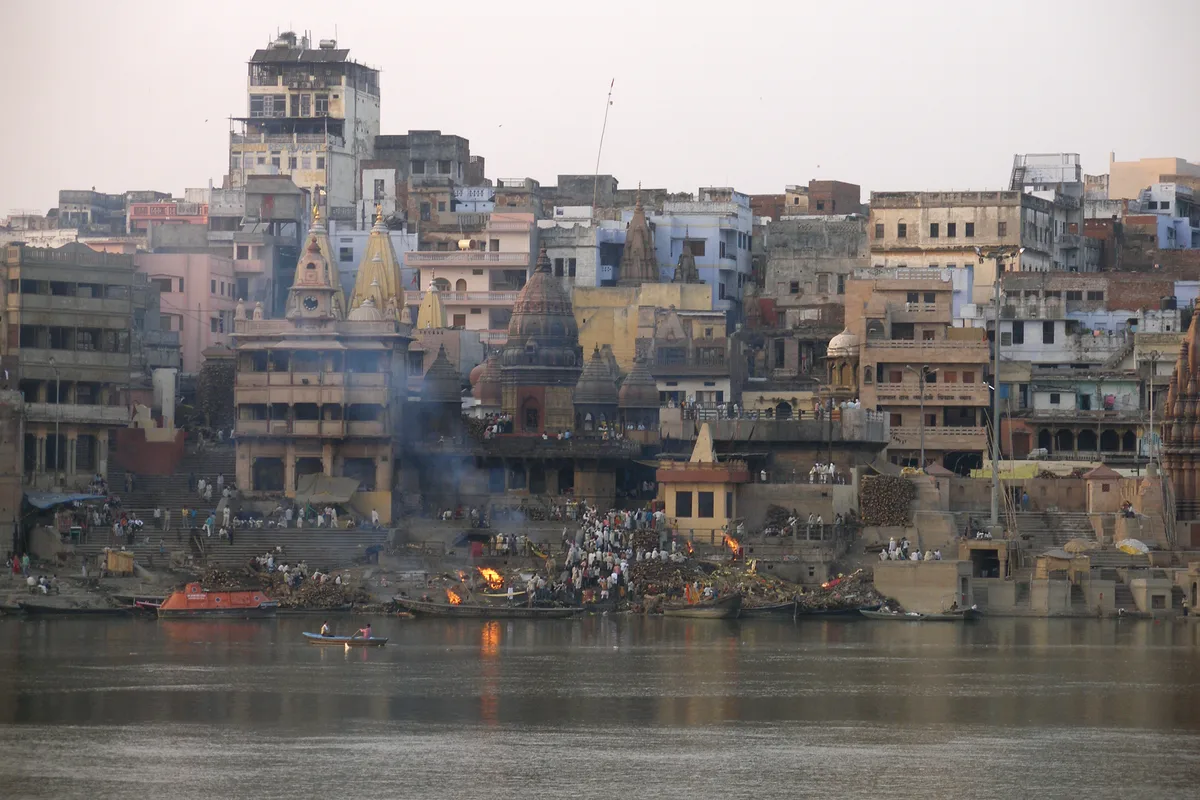
This three-hour guided walking tour in Varanasi visits important sites that reflect the city's vibrant tradition. The tour starts at a central meeting point and proceeds first to Dashaswamedh Ghat, one of the oldest and most vibrant riverfronts on the Ganges near the old Vishwanath Temple. Visitors spend about ten minutes here learning about the ghat’s history, including its mythological origins, and observe the daily Agni Pooja ceremony performed by priests dedicated to Lord Shiva, the River Ganges, Surya, and Agni. Next, the group moves to Vishalakshi Temple, located at Mir Ghat on the riverbank. The guide explains the temple’s dedication to the goddess Vishalakshi, an aspect of Parvati, and its significance as a Shakti Pitha where the earrings of the goddess Sati are believed to have fallen. The visit here lasts approximately fifteen minutes. The tour then continues to the Nepali Temple, also known as Shri Samrajeswar Pashupatinath Mahadev Mandir or Kanthwala Mandir. This temple is notable for its Nepali-style architecture made of terracotta, stone, and termite-proof wood, surrounded by tamarind and peepal trees. Visitors spend about fifteen minutes at this site. The final stop is Manikarnika Ghat, a sacred cremation ground on the Ganges where cremations are believed to help souls attain moksha, breaking the cycle of rebirth. Visitors spend around twenty-five minutes here, including time to see the underground linga of Shri Manikarnikeshwar Mahadev, which can be viewed by descending below ground level. The guide also explains the religious importance of bathing at Manikarnika Ghat, as it is believed to prevent rebirth. Bottled water and tea or coffee are included in the tour. Food, other drinks, and transportation are not included and must be arranged separately.
Highlights
What's included
What's not included
Itinerary
Dashaswamedh Ghat
Dashaswamedh Ghat is one of Varanasi’s oldest and most important riverfronts, located near the old Vishwanath Temple. The name means 'Ghat of the ten sacrificed horses,' linked to two myths involving Lord Brahma and a yajna sacrifice. This ghat hosts the daily Agni Pooja, a fire ritual performed by priests honoring Lord Shiva, the Ganges, Surya, and Agni.
10 min
Vishalakshi Temple
The Vishalakshi Temple, also called Vishalakshi Gauri Temple, is dedicated to the goddess Vishalakshi, an aspect of Parvati. Situated at Mir Ghat by the Ganges, it is a Shakti Pitha where it is believed the earrings of Goddess Sati fell. The temple is part of a triad including Kanchi Kamakshi and Madurai Meenakshi temples.
15 min
Nepali Temple (Kathwala Temple)
Known as Shri Samrajeswar Pashupatinath Mahadev Mandir or Nepali Temple, this historic temple is dedicated to Lord Shiva. It features Nepali architectural style and is constructed from terracotta, stone, and termite-resistant wood. The temple is surrounded by tamarind and peepal trees and took about thirty years to complete.
15 min
Manikarnika Ghat
Manikarnika Ghat is a sacred cremation ground on the Ganges riverfront. In Hindu belief, cremation here helps souls attain moksha and escape the cycle of rebirth. The ghat includes the Manikarnika Kund well, which Lord Vishnu is said to have built.
25 min
Manikarnikeshwar Mahadev Linga
Beneath Manikarnika Ghat lies the underground linga of Shri Manikarnikeshwar Mahadev. Devotees can descend to see the linga and learn that bathing in Manikarnika and worshipping here is believed to prevent rebirth.
10 min
Meeting point
Our meeting point will at Rajendra Prasad Ghat, infront of Virtual experiential museum And the Guide will be standing infront of the Entrance of the Museum
End point
Our meeting point will at Rajendra Prasad Ghat, infront of Virtual experiential museum And the Guide will be standing infront of the Entrance of the Museum
Languages
Cancellation policy
- Cancel at least 24 hours before start for a full refund.
Additional info
More things to do in Varanasi
- Varanasi Individual Yoga Class for Beginner and Advanced - Sunrise Yoga with Ayush
- Marigold Boat Tour in Varanasi with Sunrise and Ghats Visit
- Varanasi Kashi Private Heritage and Spiritual Walking Tour
- Varanasi 3-Hour Journey with Morning Boat Ride, Breakfast, Tea, and Evening Ganga Aarti VIP Seats
- Varanasi 3-4 Hour Tour: Assi Ghat, Ganges Sunrise Boat, Vishalakshi & Nepali Temples by Banaras Wala
- 3-Hour Walking Tour of Buddhism in Sarnath near Varanasi