
Zagreb Classic Bike Tour with Local Guide
by Bike Tours Zagreb
Choose from 1 available option
How do you want to book?
Book on Viator Confirmed right away, but you pay full price.$94.94Overview
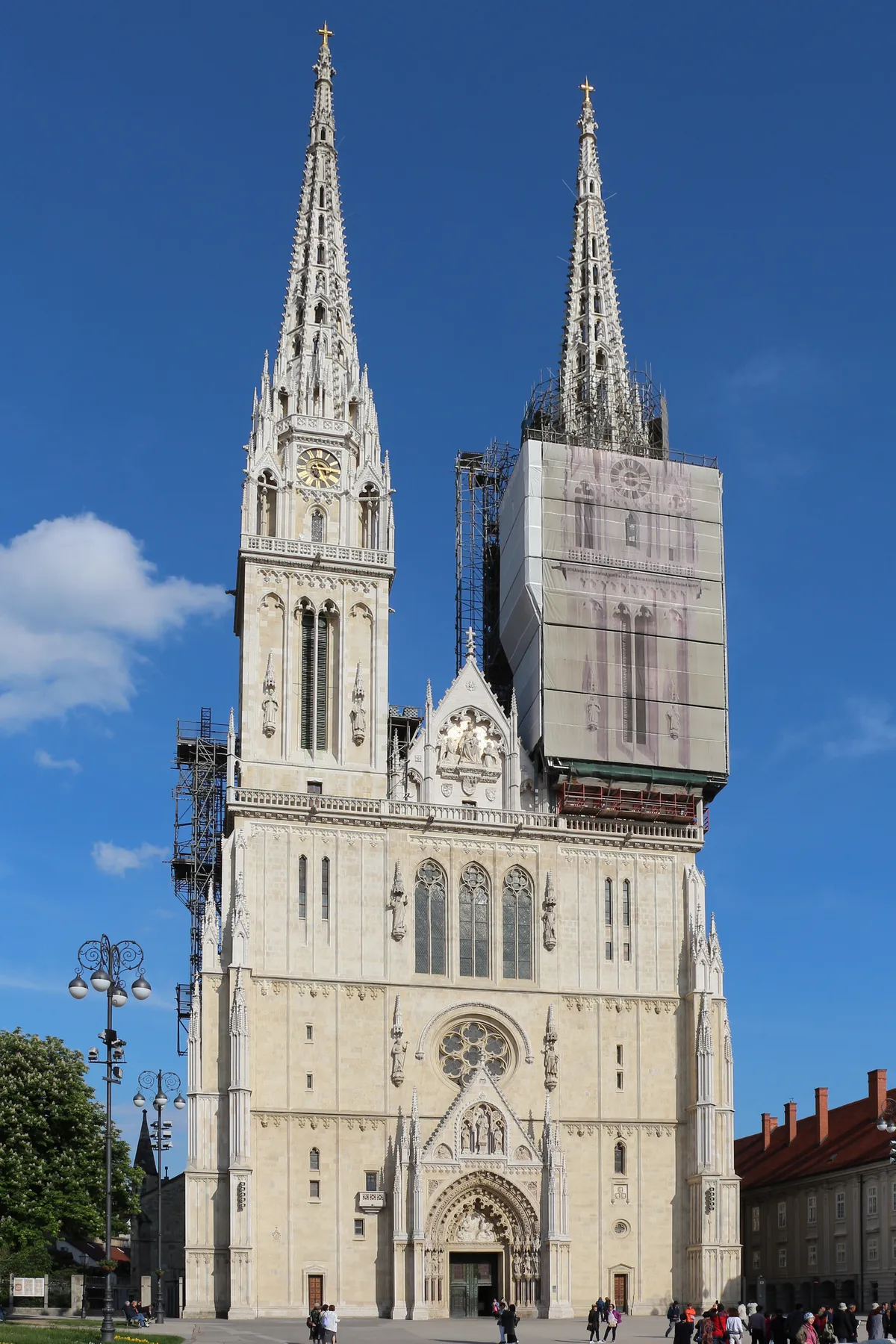
This three-hour guided bike tour through Zagreb offers a chance to see key landmarks and streets while riding at an easy pace. The tour begins with a visit to the Cathedral of Zagreb, founded in 1093, where the city's origins are linked to the establishment of the Diocese of Zagreb. Next, the group cycles to Dolac Market, known as the largest farmers market in the city. The route continues along Tkalciceva Street, once Zagreb’s red-light district in the early 20th century and now a lively area for tourists and nightlife. Riders then pass by Krvavi Most, the historic border between Gradec and Kaptol neighborhoods, known for past conflicts. The Stone Gate, home to a shrine of Our Lady of the Stone Gate, follows on the itinerary. Afterwards, the tour visits St. Mark's Church, one of Zagreb’s oldest buildings, recorded since 1334. The ride then includes a stop at the funicular railway dating back to 1892, the oldest public passenger transport in the city. The Croatian National Theater, established in 1860 to serve Croatian-language performances, is the next highlight. The final stops are King Tomislav Square, named after the first Croatian king who ruled in the 10th century, and Zrinjevac park, designed in 1876 as part of an urban plan to connect the city's lower squares. The tour includes a local guide, use of a bicycle and helmet, a photo from the tour, and a choice of coffee, refreshing drink, or ice cream during a break. Alcoholic drinks are not included.
Highlights
What's included
What's not included
Itinerary
Cathedral of Zagreb
The Cathedral traces back to 1093 when King Ladislav of Hungary founded the Diocese of Zagreb. It stands on the site of present-day Kaptol and was elevated to cathedral status at that time.
10 min
Dolac Market
Known as the "belly of the city," Dolac is Zagreb’s largest farmers market and a central spot for local produce and goods.
10 min
Tkalciceva Street
From the late 19th century to the 1930s, this street was Zagreb’s version of Amsterdam’s red-light district. Today, it is a main area for tourists and nightlife in the city center.
15 min
Krvavi Most
Also called Bloody Bridge, this spot marked the border between the Gradec and Kaptol districts across the Medveščak stream. It was known for frequent clashes between residents of the two areas.
10 min
Kamenita Vrata
The Stone Gate has housed a shrine to Our Lady of the Stone Gate, the patron saint of Zagreb, for many centuries.
10 min
St. Mark's Church
One of Zagreb’s oldest buildings, this church is mentioned in the 1334 Kaptol Statute listing parish churches and is a key symbol of the city.
15 min
Funicular Railway
Opened in 1892, this funicular connects the Lower and Upper Towns of Zagreb and is the city’s oldest form of public passenger transport.
15 min
Teatre Nacional Croata
The Croatian National Theater opened in 1860, fulfilling long-standing efforts for a Croatian-language theater, led by figures such as Dimitri Demeter.
20 min
King Tomislav Square
Named after Croatia’s first king (925-928), who previously ruled the Croatian principality, this square honors his legacy.
10 min
Zrinjevac
Part of the 1876 urban plan for the Lower City, Zrinjevac was designed to unify the city’s squares into a coherent framework.
20 min
Meeting point
We are located in a small shopping mall - Rotonda center, Jurisiceva street 19/1, just opposite Amadria Park Capital hotel. Just enter the alleyway and you will find us in level -1 (downstairs) of Rotonda center.
End point
We are located in a small shopping mall - Rotonda center, Jurisiceva street 19/1, just opposite Amadria Park Capital hotel. Just enter the alleyway and you will find us in level -1 (downstairs) of Rotonda center.
Languages
Cancellation policy
- Cancel at least 24 hours before start for a full refund.
Additional info
More things to do in Zagreb
- Zagreb Small Group Guided Walking Tour with WW2 Tunnels
- Zagreb Private Walking Tour of Old Town and Downtown including Cathedral, Dolac Market, and St. Mark's Church
- Plitvice Lakes National Park and Rastoke Village Guided Day Tour from Zagreb with Ticket
- Ljubljana and Bled Lake Small-Group Day Tour from Zagreb
- Zagreb 3-Hour Taste Food Tour Including Market and Local Tastings
- Ljubljana and Lake Bled Day Trip from Zagreb with Small Group Option