
Amsterdam Canal Cruise with Audio Guide on Glass-Topped Boat
by Tours & Tickets
Choose from 3 available options
How do you want to book?
Book on Viator Confirmed right away, but you pay full price.$35.90Overview
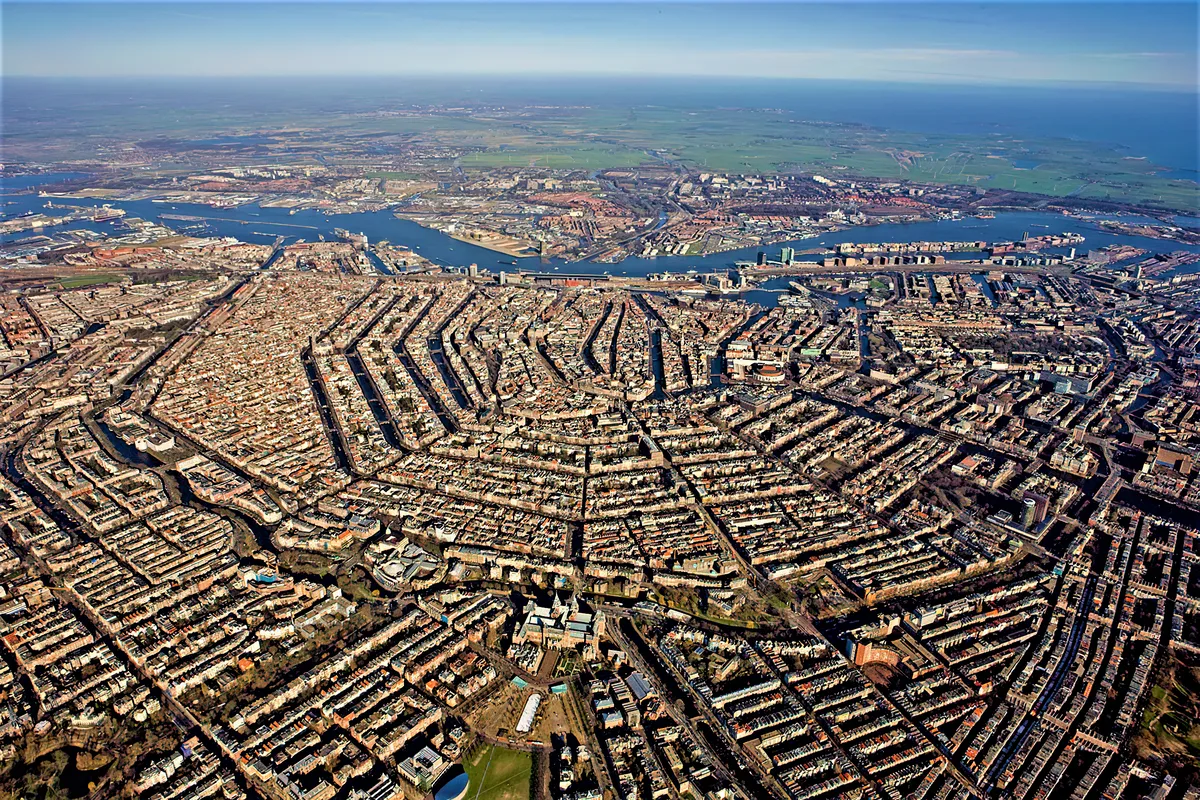
This one-hour canal cruise in Amsterdam offers a view of the city’s main waterways from a glass-roofed boat. The boat travels through parts of the UNESCO World Heritage-listed canal network, passing landmarks such as the Magere Brug (Skinny Bridge), the Golden Bend area on Herengracht, and the Anne Frank House. An audio guide in multiple languages provides historical and architectural information along the route. Cruises depart frequently from morning until early evening, following varying routes that highlight different parts of the canal system. This means not every trip passes all landmarks, giving each cruise a different perspective on Amsterdam’s canals. The company operating the tours, Lovers Canal Cruises, has run boat tours since the 1950s and uses boats designed to offer panoramic views with their glass tops. This tour does not include hotel pickup or any food and drinks. Passengers should check in at the Lovers terminal at least ten minutes before their scheduled departure. Children under 4 travel free of charge.
Highlights
What's included
What's not included
Itinerary
Lovers Canal Cruises
Lovers Canal Cruises started operating in Amsterdam in the 1950s and has become a popular way to explore the city’s historic canals. Their fleet consists of glass-roofed boats designed to provide unobstructed views of Amsterdam’s bridges, buildings, and waterways while offering narrated tours.
Centraal Station
Amsterdam Central Station was built from 1881 to 1889 on three artificial islands in the IJ lake. Designed by Pierre Cuypers, its Gothic and Renaissance Revival architecture combines historic style with a large iron platform roof, serving as a major transport hub.
Magere Brug
The Magere Brug or Skinny Bridge is a wooden drawbridge over the Amstel River. Originally constructed in 1691 and rebuilt in 1934 in the traditional style, the bridge is known for its elegant design and is illuminated at night, making it one of Amsterdam’s most photographed landmarks.
Keizersgracht 319 - Amsterdam
Keizersgracht, named after Emperor Maximilian I and built in 1612, is the widest of Amsterdam’s main canals. It features grand merchant houses that illustrate the city’s prosperity during its expansion.
Herengracht
Herengracht canal, also dug in 1612, was the most prestigious canal, hosting Amsterdam’s elite. The area known as the Golden Bend is lined with stately mansions reflecting the wealth of the city’s top residents.
Prinsengracht
Prinsengracht canal was created in the early 17th century during Amsterdam’s expansion project called the Grachtengordel. Named after the Prince of Orange, it became a sought-after residential area with elegant canal houses and cultural sites.
Red Light District
The Red Light District, or De Wallen, is Amsterdam’s oldest neighborhood dating back to the 14th century. Originally a harbor area, it is now a regulated zone combining historic buildings with legalized sex work, tourism, nightlife, and cultural venues.
Westerkerk
Westerkerk church, completed in 1631, represents Dutch Renaissance architecture and is known for its tall Westertoren tower. It has played a role in Amsterdam’s religious and cultural history and is located near Anne Frank’s house.
De 9 Straatjes
The Nine Streets (De 9 Straatjes) is a neighborhood of nine narrow streets in Amsterdam’s canal belt. Developed in the 17th century, it features boutique shops, vintage stores, and cafés blending historic character with contemporary culture.
The Amstel
The Amstel River runs through Amsterdam and was central to the city’s founding and growth. It has served as a key waterway for trade and transport and is lined by notable bridges and historic buildings.
Het Scheepvaartmuseum| The National Maritime Museum
The Scheepvaartmuseum is housed in a 17th-century warehouse that displays the Netherlands’ maritime history with ship models, maps, and artifacts. Renovated in 2011, it offers exhibitions on the country's connection to the sea.
NEMO Science Museum
NEMO Science Museum, designed by Renzo Piano and opened in 1997, has a green, ship-shaped building above the Oosterdok. It is an interactive science center focused on children and families to promote hands-on learning.
Rijksmuseum
The Rijksmuseum opened in 1885, designed by Pierre Cuypers with Gothic and Renaissance elements. It houses Dutch national art and history collections including works by Rembrandt and Vermeer.
Nieuwmarkt
Nieuwmarkt square was created in the 17th century on the site of the former city wall after the Sint Antoniespoort gate was demolished. The Waag building, once a city gate and guildhall, anchors the square's historical significance.
Bloemenmarkt
The Bloemenmarkt, established in 1862, is the world’s only floating flower market with stalls on houseboats along the Singel canal. It sells bulbs, plants, and souvenirs.
IJ
Het IJ is a former bay and water body connecting Amsterdam to the North Sea. It has been important for maritime trade and today serves as a lively waterfront with ferries and cultural spaces.
Meeting point
Canal Cruise from Rijksmuseum: check in at Lovers Canal Cruises, Stadhouderskade 511, Amsterdam.
End point
Canal Cruise from Rijksmuseum: check in at Lovers Canal Cruises, Stadhouderskade 511, Amsterdam.
Languages
Cancellation policy
- Cancel at least 24 hours before start for a full refund.
Additional info
More things to do in Amsterdam
- Absolutely Amsterdam 2.5-Hour Essential Introductory Walking Tour
- Amsterdam Van Gogh Museum 2-Hour Tour with Audio or Guided Option
- Amsterdam 2.5-Hour Private Introduction Walking Tour of Old Town, Red Light District, City Centre and Jordaan
- Amsterdam Cheese, Windmill and Countryside Bike Tour with E-bike Option
- Giethoorn and Zaanse Schans Small-Group Day Tour with Pickup and Small Boat from Amsterdam
- Amsterdam Canal Cruise with Pizza and Unlimited Drinks