
Lisbon E-Bike Tour Including Commerce Square, Mouraria and Alfama
by Boost Portugal Urban Thrills
Choose from 3 available options
How do you want to book?
Book on Viator Confirmed right away, but you pay full price.€44Overview
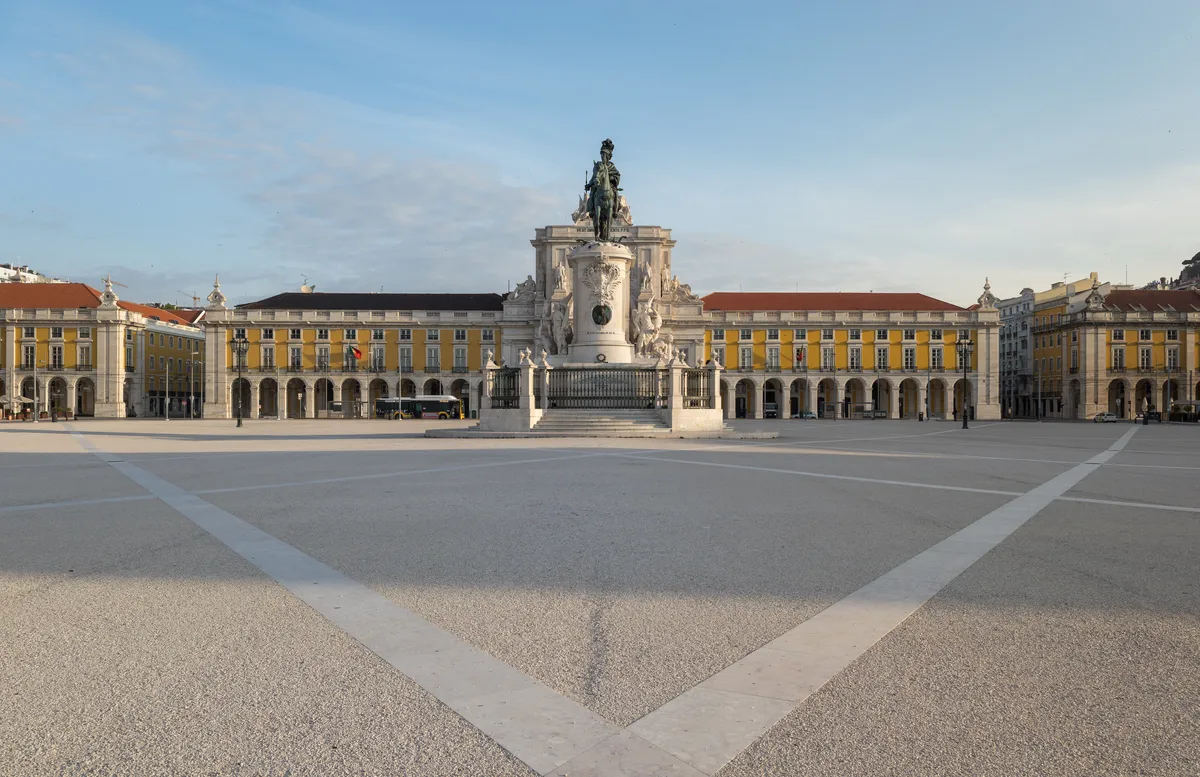
This Lisbon electric bike tour lasts three hours and covers the neighborhoods of Commerce Square (Praça do Comércio), Mouraria, and Alfama. The tour begins with an introduction to the electric bike and a lesson on how to use the equipment. It is limited to small groups of up to eight participants and includes an experienced local guide who shares information about the city’s history and daily life. The route starts at Commerce Square, a large riverside plaza rebuilt after the 1755 earthquake, where the guide explains its significance. The tour continues through Mouraria and Alfama, Lisbon’s oldest districts, known for their narrow, cobblestone streets and historic atmosphere. Stops include the Museu do Fado to learn about the local music tradition, Lisbon Cathedral (Santa Maria Maior), the National Pantheon, and the São Vicente Monastery, which contains the royal pantheon of the Braganza monarchs. Participants also cycle up to viewpoints such as Miradouro da Graça and Miradouro da Senhora do Monte, both offering wide views over the city and the Tagus River. The tour covers hills with the assistance of the electric bike to make cycling easier on steep and narrow streets. Safety helmets, liability, and personal accident insurance are provided. The tour does not include hotel pickup or entrance fees to monuments. It operates rain or shine, with ponchos available if needed. Participants should be confident bike riders. Check-in is required 15 minutes before the start time at the operator’s downtown store, which offers restrooms, filtered water, storage, Wi-Fi, and seating before the tour begins.
Highlights
What's included
What's not included
Itinerary
Praca do Comercio
Praca do Comercio is a large square facing the river that was central to Lisbon's rebuilding after the 1755 earthquake. It is one of the biggest squares in Europe and a popular spot in the city.
10 min
Museu do Fado
The Museu do Fado explains Alfama’s connection to Fado music, a style known for its emotional impact that is closely tied to the neighborhood's character.
5 min
Panteao Nacional
The National Pantheon, also called St. Engratia Church, is a baroque building constructed over nearly 300 years from 1682 to 1966. It is the burial place of many important Portuguese cultural and political figures.
15 min
Mosteiro de Sao Vicente de Fora
São Vicente Monastery is an important mannerist building in Portugal. It contains the royal pantheon where the Braganza monarchs are buried.
10 min
Miradouro da Graca
This viewpoint is on the highest of Lisbon's seven hills near São Jorge Castle. It features two notable lookouts: Senhora do Monte and Graça belvedere, also known as the Sophia de Mello Breyner Andresen viewpoint. The area was historically a working-class neighborhood known for its courtyards, taverns, and traditional stores.
10 min
Castelo De Sao Jorge
Participants cross the castle area and climb to Graça hill to view Lisbon Castle and its surroundings.
Alfama
Alfama is Lisbon's oldest neighborhood, with steep, cobbled lanes preserved from medieval times. Known for its Fado houses and June festivals honoring St. Anthony, Alfama was largely spared by the 1755 earthquake and retains a Moorish atmosphere with narrow alleys and staircases.
30 min
Lisbon Cathedral
The Lisbon Cathedral, officially Santa Maria Maior de Lisboa, is the city's oldest place of worship, dating back to the mid-12th century.
20 min
Praca Martim Moniz
Praça do Martim Moniz is near Rossio in Lisbon and honors a nobleman who helped conquer the castle in 1147 by breaking through a door to allow his comrades to enter.
15 min
Miradouro Da Senhora Do Monte
This viewpoint on one of Lisbon's highest hills offers views of the downtown area and the Tagus River.
15 min
Languages
Cancellation policy
- Cancel at least 24 hours before start for a full refund.
Additional info
More things to do in Lisbon
- Private Full-Day Wine Tour from Lisbon with Tastings and Visits to Livramento Market and Arrábida
- Lisbon Hop-On Hop-Off Bus, Tram, and River Cruise Ticket for 72 or 96 Hours
- Lisbon Private Tuk Tuk Tour with Hotel Pickup: 2, 3, or 4 Hours
- Sintra Full-Day Private Journey through Wonderland Visiting Pena Palace, Quinta da Regaleira, Cabo da Roca and Cascais
- Lisbon Hop-On Hop-Off Tour Bus with Three Routes Including Historic Tram
- Awarded Original Lisbon Food Tour: Up to 17 Tastings in Alfama, Mouraria & Baixa