
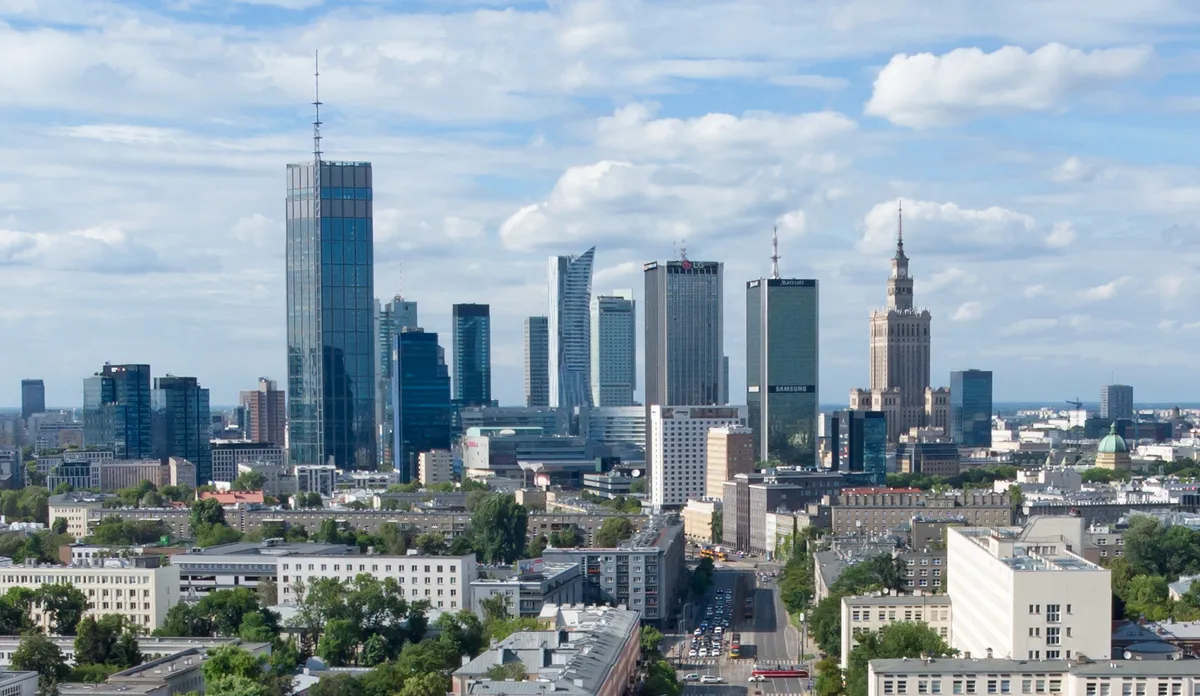
Warsaw Behind the Scenes Small-Group Tour with Communist-Era Żuk Minibus and Hotel Pickup
by Warsaw Behind the Scenes
Choose from 1 available option
How do you want to book?
Book on Viator Confirmed right away, but you pay full price.$254.74Overview
This three-hour small-group tour in Warsaw uses a retro communist-era Żuk minibus for transport and includes hotel pickup. The tour begins with a brief introduction to Warsaw and Poland, providing historical context. The first stop is Muranów, a district built on the site of the Jewish Ghetto established in 1940. The guide explains the wartime destruction and postwar reconstruction of this area. Next, the group visits the intersection of Chłodna and Żelazna Streets, where the wooden ghetto bridge once connected two sealed parts of the ghetto. Using historical photographs, the guide shows how the bridge functioned. The tour continues with an explanation of the 1943 Warsaw Ghetto Uprising, its commemoration, and the destruction that followed. The narrative then expands to cover World War II’s impact on Poland, including the 1944 Warsaw Uprising and the near-total destruction of Warsaw by Nazi forces before the Red Army arrived in 1945. Crossing the Vistula River, the tour visits Praga Polnoc, a district that survived the war largely intact and retains prewar architecture and courtyards. Returning to central Warsaw, the guide discusses postwar communist rebuilding near the former Polish Communist Party headquarters, highlighting Soviet-influenced urban planning. The tour concludes with a stop covering the 1989 Solidarity movement and Pope John Paul II’s role in ending communist rule, marking Warsaw’s shift to democracy and capitalism. At each stop, walking segments allow closer inspection of sites, and the guide shares detailed stories connecting Warsaw’s history to its present-day character. This behind-the-scenes tour focuses on areas often skipped by larger groups and includes a professional local guide and transport in the historic communist-era Żuk minibus.
Highlights
What's included
Itinerary
Warsaw
After hotel pickup, meet the guide for a short introduction to the history of Warsaw and Poland, providing context for the rest of the tour.
10 min
Muranów district
Visit Muranów, built on the site of the Jewish Ghetto created by Nazi Germany in 1940. Though it appears as a postwar housing district, the guide explains its wartime destruction and later reconstruction.
20 min
Chlodna Street
Stop at the intersection of Chłodna and Żelazna Streets to see where the wooden ghetto bridge once stood. Using historical photos, the guide shows how the elevated bridge connected two sections of the sealed ghetto.
15 min
Warsaw Ghetto Uprising site
Learn about the 1943 uprising by Jewish resistance fighters against deportation, the weeks of fighting, and how the ghetto was destroyed. The guide explains how these events are commemorated today.
15 min
World War II and Warsaw Uprising context
Hear about the impact of World War II on Warsaw, including the 1944 Warsaw Uprising and the destruction of approximately 85% of the city before the Red Army entered in January 1945.
15 min
Praga Polnoc
Cross the Vistula River to Praga Polnoc, a district that survived the war largely intact. Explore Belle Époque buildings, traditional courtyards, and an area known for its local character and creative community.
30 min
Former Polish Communist Party headquarters area
Back in central Warsaw, visit the area near the former communist party headquarters to learn how postwar rebuilding balanced modern city planning with Soviet ideological demands, visible in the architecture.
30 min
Warsaw
The tour finishes by discussing the 1989 Solidarity movement and Pope John Paul II’s influence in ending communist rule, marking Warsaw’s shift to democracy and capitalism.
15 min
Languages
Cancellation policy
- Cancel at least 24 hours before start for a full refund.
Additional info
More things to do in Warsaw
- Warsaw Half-Day City Sightseeing Bike Tour for Small Group
- Warsaw Jewish Heritage Private Tour by Retro Fiat 125p
- Warsaw Morning Public City Tour with Hotel Pickup, Guided Panoramic View
- Everyday Chopin Music Concerts in Warsaw Old Town at 20/22 Kanonia
- Warsaw Small-Group Public Historical Guided Tour with Pick Up and Drop Off
- Warsaw Half-Day Polish Food Walking Tour with Guide and Dinner