



Zhangye Danxia National Geological Park & Mati Temple Private Day Tour
Choose an option
Prices for Sat 14 Nov
- Admission to: Mati Temple Grottoes (including North Temple Grottoes ticket)
- Admission to: Zhangye Danxia Landform (including sightseeing bus)
- Chinese-speaking guide
- Full-service private car service
- For 1-3 people, arrange a 5-seater car; for 4-5 people, arrange a 7-seater car; for 6-12 people, arrange a 14-seater car; and for 13-16 people, arrange an 18-seater car.
- Children aged 1-2 years old are free. They do not need to be included in the total number of people when placing an order. You can add a note when placing the order.
- Professional Chinese-speaking guide & Chinese-speaking driver, two service personnel (Chinese-speaking guide accompanies you into the scenic area)
Not included: Meals and beverages; Other personal expenses; Tips and gratuities
Ticket: Show e-voucher
Overview
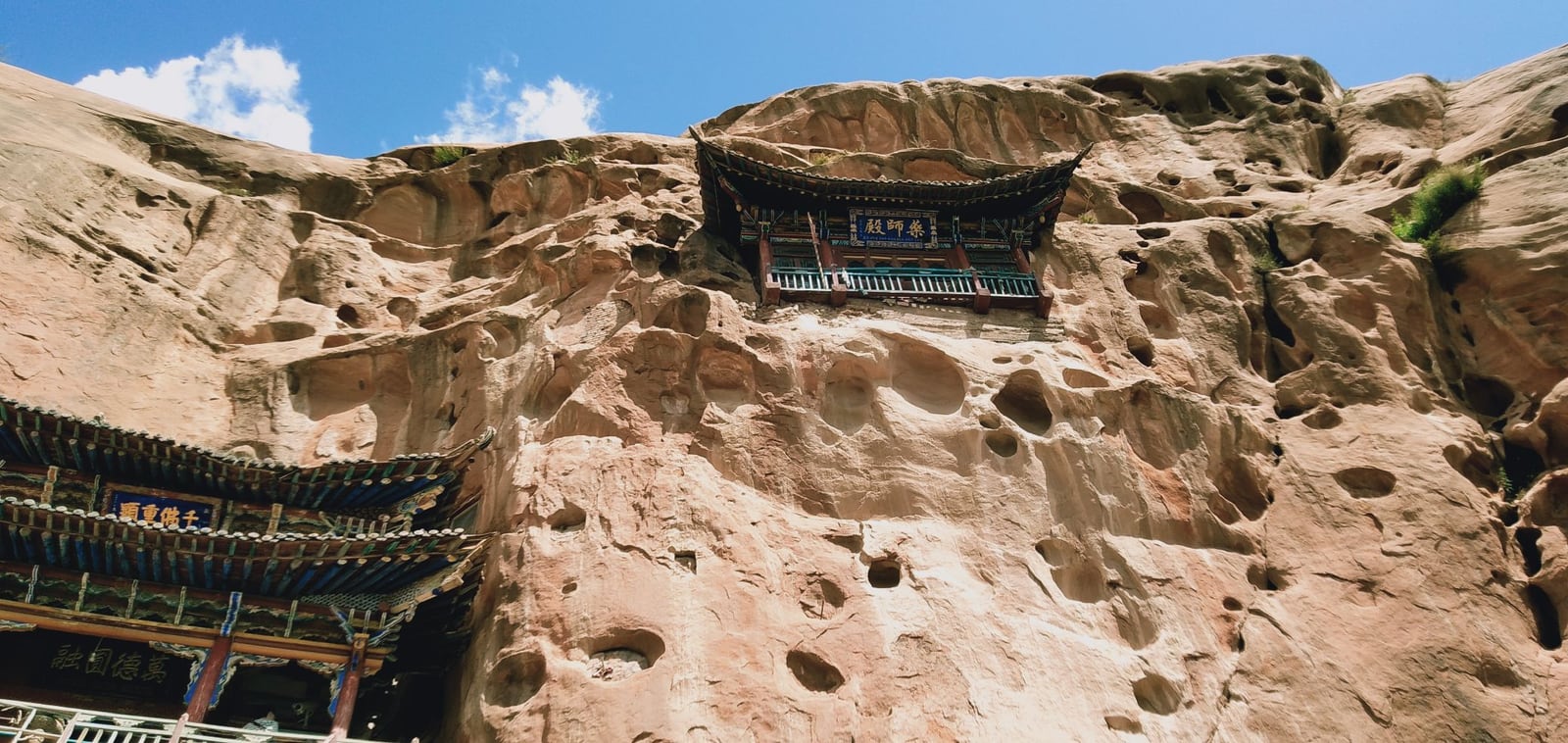
[📞Pre-trip Notice] 📲After placing your order, our staff will contact you at 21:00 the day before departure. 📩The day before the trip, we will send you the contact information of the tour guide/Chinese driver via WeChat/WhatsApp, etc. 💬Bilingual customer service is available online (09:00-22:00), providing exclusive service throughout the journey, responding in real-time, so you can communicate without worry and travel with more peace of mind. [🚗 Pick-up and Drop-off Service Area] We provide free pick-up and drop-off service in Zhangye city (Ganzhou District) If you need to go to places outside these areas, there will be additional charges, and the specific amount will be communicated and confirmed by our customer service after the order is confirmed. [Itinerary Introduction] 🗺️ Route 1: Zhangye City Hotel—Zhangye Danxia National Geological Park—Mati Temple—Zhangye City Hotel (One-day tour) 🗺️ Route 2: Zhangye City Hotel—Zhangye Danxia National Geological Park—Zhangye City Hotel (Half-day tour) 🗺️ Route 3: Zhangye City Hotel—Mati Temple—Zhangye City Hotel (Half-day tour) [✨Introduction to Wonderful Attractions] 🌄Zhangye Danxia National Geological Park Zhangye Danxia National Geological Park is located at the junction of Linze and Sunan counties in Zhangye City, Gansu Province. It is the most typical and richly shaped Danxia landform landscape area in the arid area of northern China and is rated as one of the "Seven Most Beautiful Danxia in China" by Chinese National Geography. The park covers an area of approximately 510 square kilometers, and the core scenic area is colorful and majestic, known for its "color like渥丹,灿若明霞". 🕌Mati Temple Mati Temple is located in Sunan Yugur Autonomous County, Zhangye City, Gansu Province, located on the northern slope of the Qilian Mountains. It is a unique scenic spot integrating grotto art, Qilian Mountain scenery, and Yugur ethnic customs. Its name comes from the legend that a Pegasus stepped on hoof prints on this rock. The temple still preserves the legendary "Horse Hoof Print" stone.
Highlights
What's included
What's not included
Cancellation policy
- Free cancellation with 24 hours' notice.
Additional info
More things to do in Zhangye
- 8-Day Northwest RV Expedition (Qinghai & Gansu Special)
- Zhangye, Gansu 6-person small group tour: Danxia/Pingshan Lake/Mati Temple optional packages
- Zhangye Rainbow Danxia + Pingshan Lake Grand Canyon Day Tour (Optional Off-Road Vehicle and Camel Riding)