
Kyoto Customized Private Tour: Top Attractions in 1 Day Including Kinkaku-ji and Fushimi Inari
by Japan Wonder Travel
Choose from 6 available options
How do you want to book?
Book on Viator Confirmed right away, but you pay full price.¥40,000Overview
This is a customized private tour in Kyoto lasting between four and eight hours, designed to visit top attractions in one day according to the visitor’s preferences. The tour includes hotel pickup and drop-off for convenience. A professional local guide assists in creating a personalized itinerary, selecting from a wide range of cultural and historical sites. The main attractions featured in the tour include Kinkaku-ji (Golden Pavilion) and Fushimi Inari Shrine, as stated in the title. Depending on the chosen duration, the itinerary typically covers two to four locations, with about 30 to 60 minutes spent at each spot. Optional visits can include Kiyomizu-dera Temple, Gion district, Ryoan-ji Temple, Arashiyama Bamboo Grove, Nishiki Market, Nijo Castle, Kyoto Imperial Palace, Tenryu-ji Temple, Nanzen-ji Temple, Ginkaku-ji Temple, and other notable sites. A private vehicle is available as an option to cover longer distances comfortably. The tour involves a moderate amount of walking, so comfortable shoes are recommended. The guide manages all logistics and provides local information throughout the day. The tour operates rain or shine, offering a flexible way to see Kyoto’s key attractions in a single day tailored to individual interests.
Highlights
What's included
Itinerary
Kinkakuji Temple
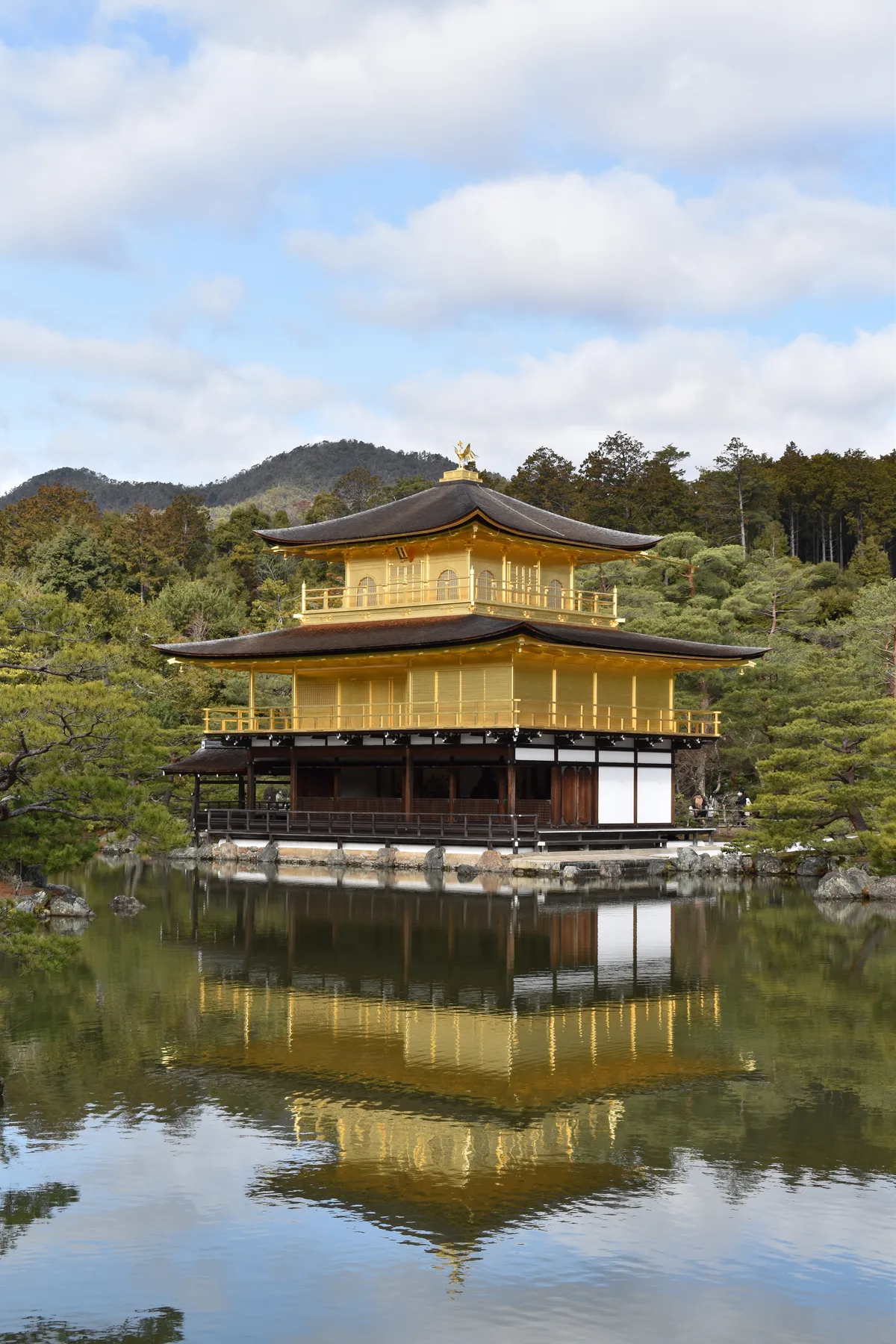
Kinkakuji Temple, known as the Golden Pavilion, features a striking gold-covered Shariden Hall inspired by the Pure Land. The temple grounds include a 600-year-old pine tree called Rokushumatsu, one of Kyoto's three famous pines, symbolizing a boat heading to the Pure Land. The site also contains a traditional Japanese Zen garden. Typical visit duration is about 30 minutes.
30 min
Fushimi Inari-taisha Shrine
Fushimi Inari Taisha is renowned for its thousands of vermilion torii gates forming the Senbon Torii pathway that climbs Mount Inari. The shrine is dedicated to Inari, the Shinto god of rice, agriculture, and prosperity. Visitors can walk through the corridor of gates, which extends over 4 kilometers. While a full hike to the summit takes 2 to 3 hours, shorter visits include exploring smaller shrines and rest areas along the way. Typical visit duration is 45 minutes.
45 min
Ryoan-ji Temple
Ryoan-ji is famous for its dry landscape rock garden composed of fifteen stones arranged over white gravel, designed to encourage reflection on enlightenment and impermanence. The temple grounds also feature ponds, traditional buildings, and greenery. The main hall overlooks the garden, providing a quiet spot for contemplation. Typical visit duration is 30 minutes.
30 min
Bamboo Forest Street
The Arashiyama Bamboo Grove is a natural area with tall bamboo stalks reaching up to 30 meters. Visitors walk along narrow paths surrounded by the bamboo forest, which produces a gentle rustling sound in the breeze. The grove is especially atmospheric in early morning or late afternoon light. Visit duration is about 45 minutes.
45 min
Gion
Gion is Kyoto’s historic geisha district, known for its traditional wooden houses, tea houses, and narrow lantern-lit streets. Visitors can see geisha and apprentice maiko walking between appointments in their kimonos. Hanami-koji Street in Gion has teahouses and restaurants offering traditional meals and occasional maiko performances. Typical visit duration is 30 minutes.
30 min
Kiyomizu-dera Temple
Kiyomizu-dera Temple is a historic Buddhist temple dedicated to Kannon. Its Main Hall is built without nails and supported by wooden pillars, extending over a hillside that offers wide views of Kyoto. The temple grounds include the Otawa Waterfall, where visitors can drink from three streams believed to grant longevity, success, and love. The Kiyomizu Stage is a large wooden platform with panoramic views. Typical visit duration is 30 minutes.
30 min
Sannenzaka Ninenzaka
Sannen-zaka and Ninen-zaka are two historic, steep streets lined with traditional wooden buildings, tea shops, and souvenir stores in Kyoto's Higashiyama district. These streets connect Kiyomizu-dera Temple to Yasaka Shrine and are known for their atmosphere enhanced by seasonal flowers and occasional sightings of geisha or maiko. Visitors can stroll, shop for local crafts, or try traditional sweets. Typical visit duration is 45 minutes.
45 min
Nishiki Market Shopping District
Nishiki Market is a bustling food market over 400 meters long with more than 100 shops and stalls. It offers fresh seafood, seasonal produce, Kyoto-style pickles, sweets, and street food. The market also sells handmade kitchenware, spices, and crafts. Visitors can sample local specialties like yuba and matcha sweets. Typical visit duration is 45 minutes.
45 min
Nijo Castle
Nijo Castle was built in 1603 as Tokugawa Ieyasu’s residence. The site features the Ninomaru Palace with detailed woodwork, painted sliding doors, and “nightingale floors” designed to warn of intruders. The surrounding garden has ponds, bridges, and rock arrangements, offering a peaceful setting within the city. Typical visit duration is 45 minutes.
45 min
Pontocho District
Pontocho is a historic dining district along the Kamo River, known for narrow alleys lined with traditional teahouses, ryotei restaurants, and bars. The area retains wooden buildings and lantern-lit streets where geisha and maiko may appear. In the evening, the district offers a range of dining options including kaiseki and traditional course meals. Visit duration varies.
Tenryu-ji Temple
Tenryu-ji Temple is a Zen temple founded in 1339. It is known for its spiritual importance and the Sogenchi Pond Garden, a landscape garden with rocks, ponds, and plantings designed to harmonize with the Arashiyama mountains. The temple grounds offer a quiet space for meditation. Typical visit duration is one hour.
1 min
Kyoto Imperial Palace
The Kyoto Imperial Palace was the residence of Japan’s Imperial family from the Heian period until 1869. Located in Kyoto Imperial Park, the complex includes the Shishinden State Hall and Seiryo-den Emperor’s quarters. The architecture features sloping roofs and shoji screens, set amid gardens with ponds and walking paths. Typical visit duration is one hour.
1 min
Philosopher's Walk
The Philosopher’s Path is a two-kilometer walking route along a canal in northern Kyoto near Ginkaku-ji. Named after philosopher Nishida Kitaro, the path is lined with over 1000 cherry trees, notable in spring and autumn. Along the way are small temples and teahouses including Honen-in, Anraku-ji, and Eikan-do Zenrin-ji, which provide quiet spots to rest.
Nanzen-ji Temple
Nanzen-ji Temple is a major Zen temple originally established as a training center. Its Sanmon Gate is a large, imposing structure with views over the temple grounds and hills. The temple includes a Zen garden with rocks and greenery and the Suirokaku Aqueduct, a brick water canal from the Meiji period contrasting with the ancient temple setting. Typical visit duration is one hour.
1 min
Ginkakuji Temple
Ginkaku-ji, or the Silver Pavilion, is a Zen temple from the late 15th century. It features a dry landscape garden with raked sand shaped like waves and a pond garden. The Togudo Hall and Golden Sand Garden are key parts of the temple grounds. The site is especially notable during autumn foliage and spring cherry blossoms. Typical visit duration is one hour.
1 min
Meeting point
Meet in front of Tourist Information in JR Kyoto Station.
End point
Meet in front of Tourist Information in JR Kyoto Station.
Languages
Cancellation policy
- Cancel at least 24 hours before start for a full refund.
Additional info
More things to do in Kyoto
- Samurai School in Kyoto: Samurai for a Day Cultural Lesson
- Kyoto Night Walking Bar Hopping Tour in Pontocho with 3-4 Drinks and Dishes
- Small-Group Sushi Making Class in Kyoto with Hands-On Workshop
- Arashiyama Bamboo Forest E-Biking Tour in Kyoto